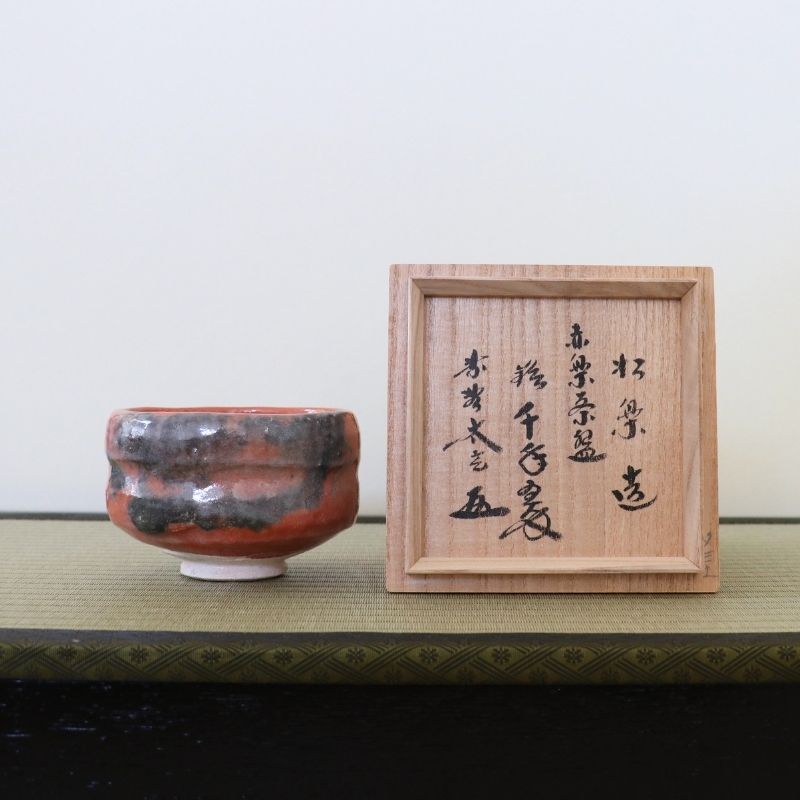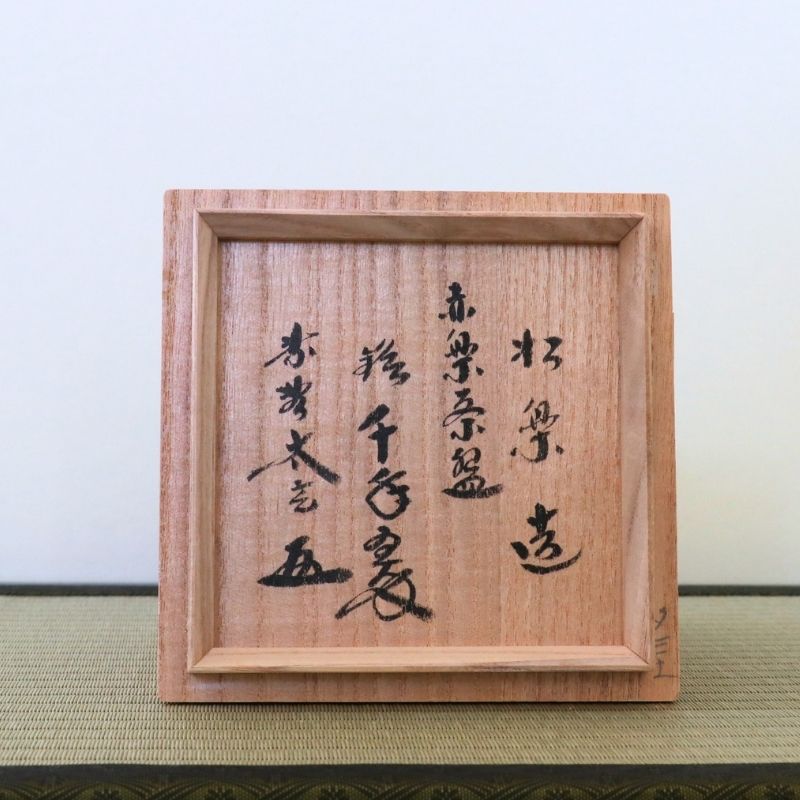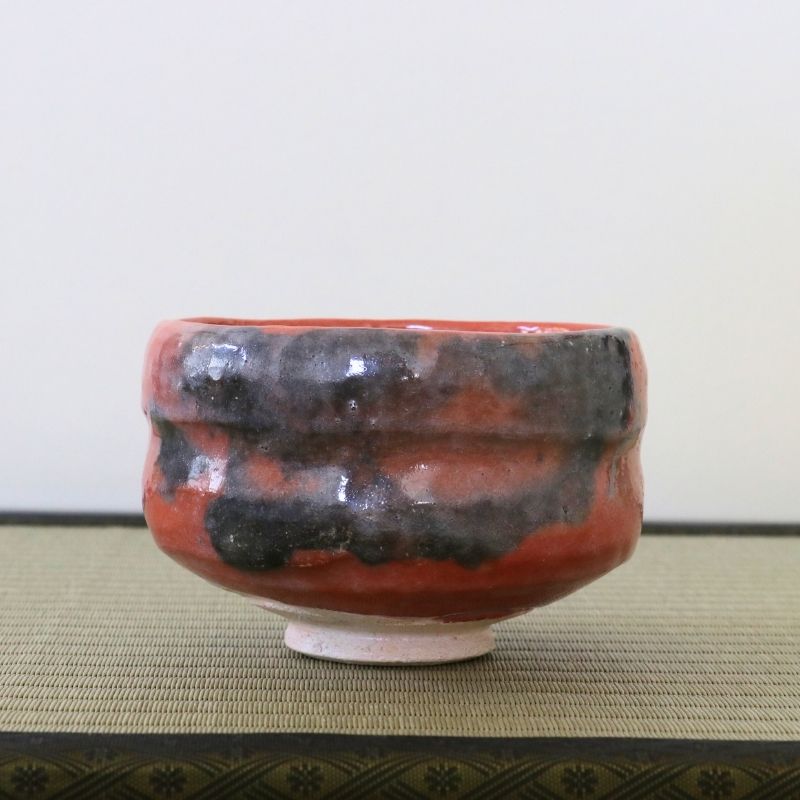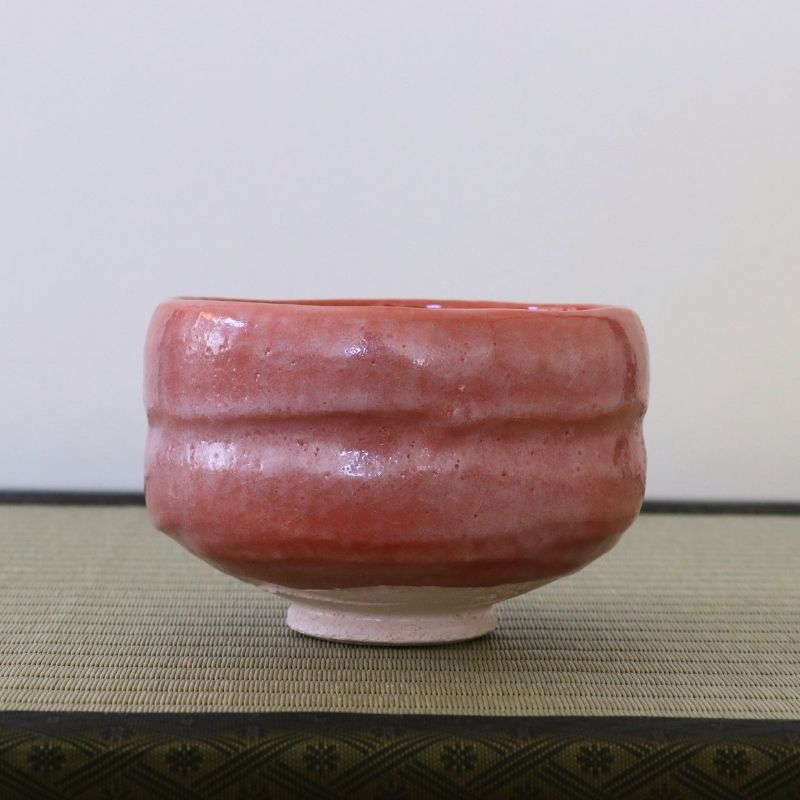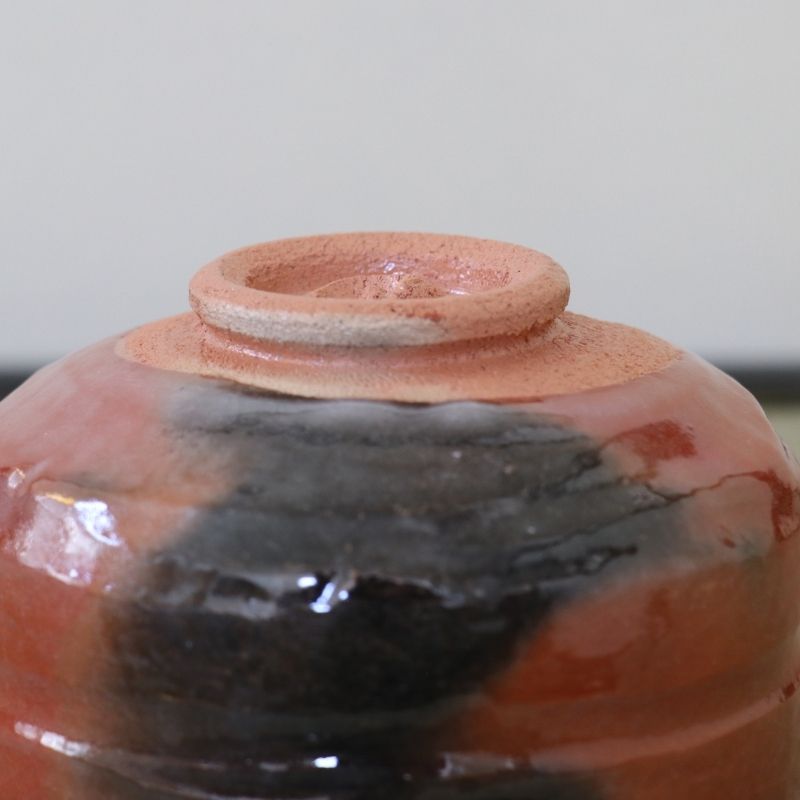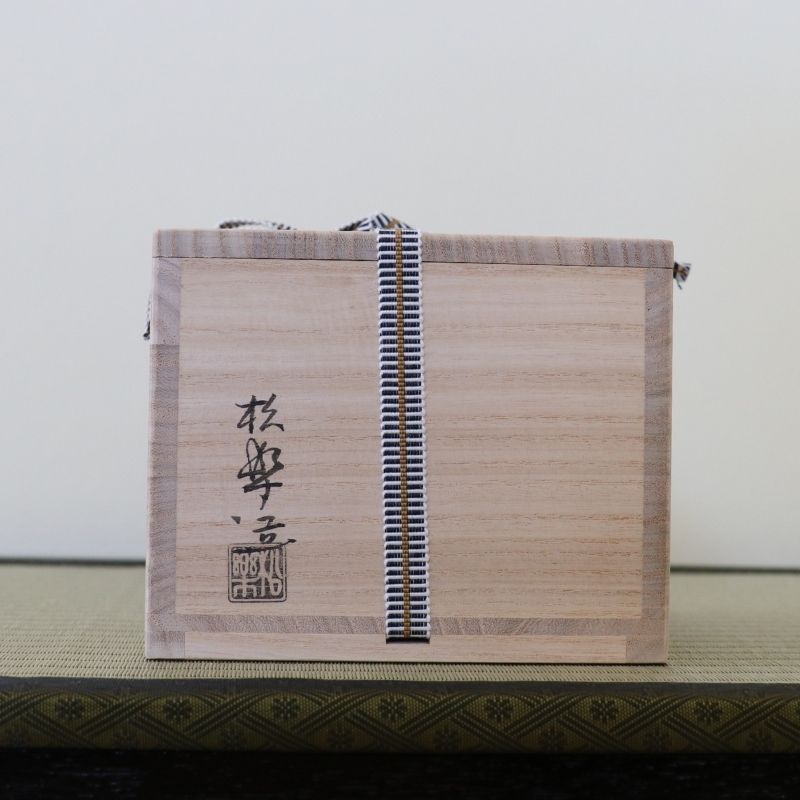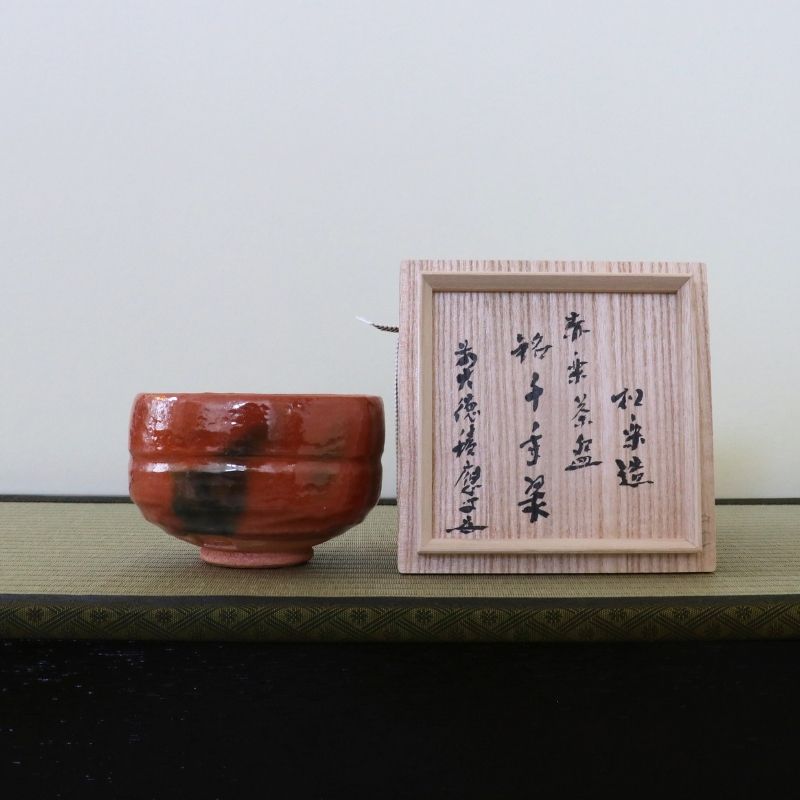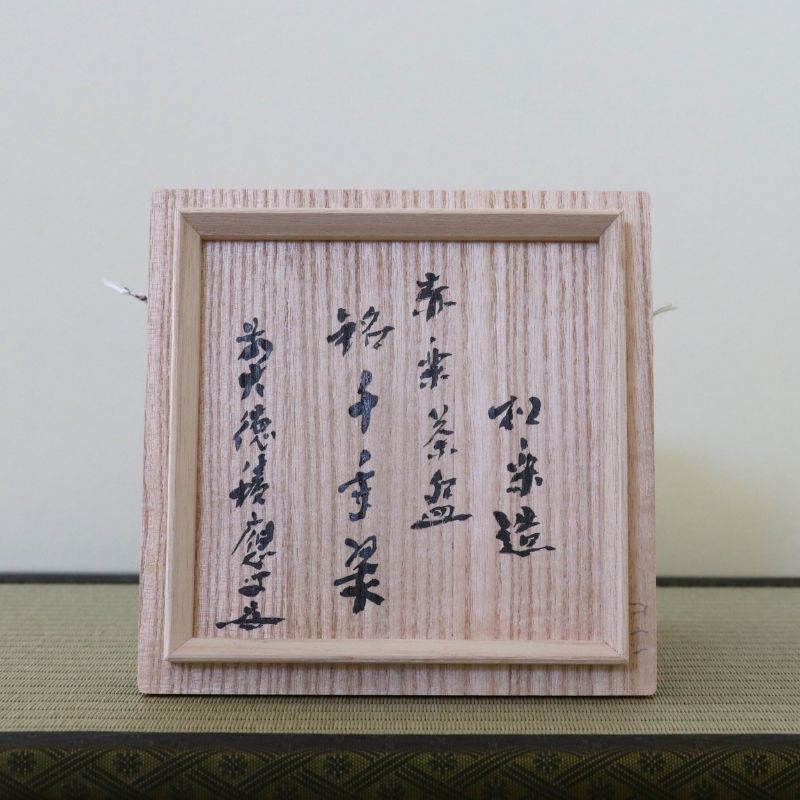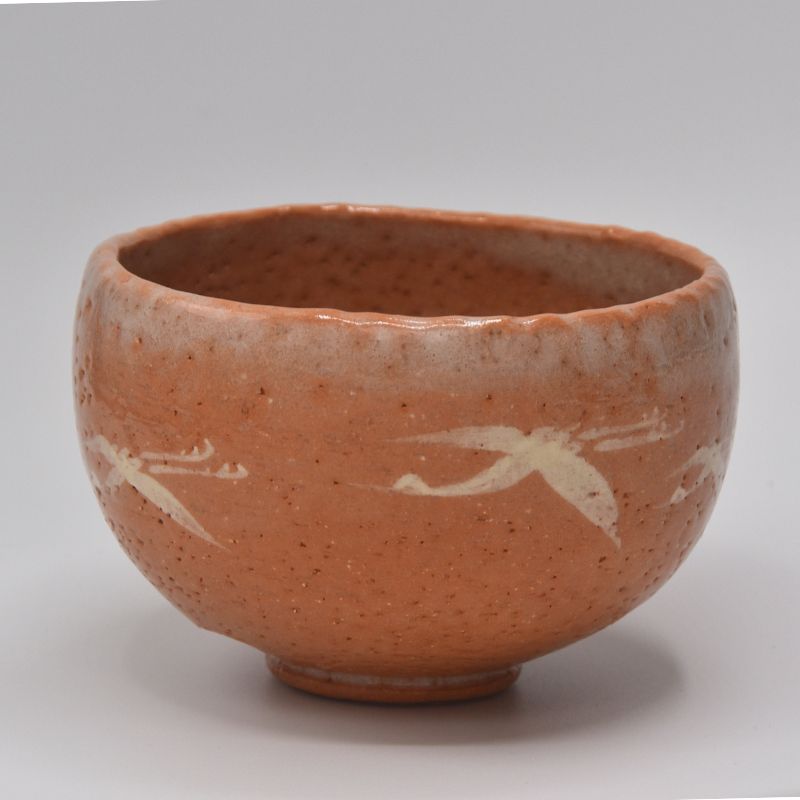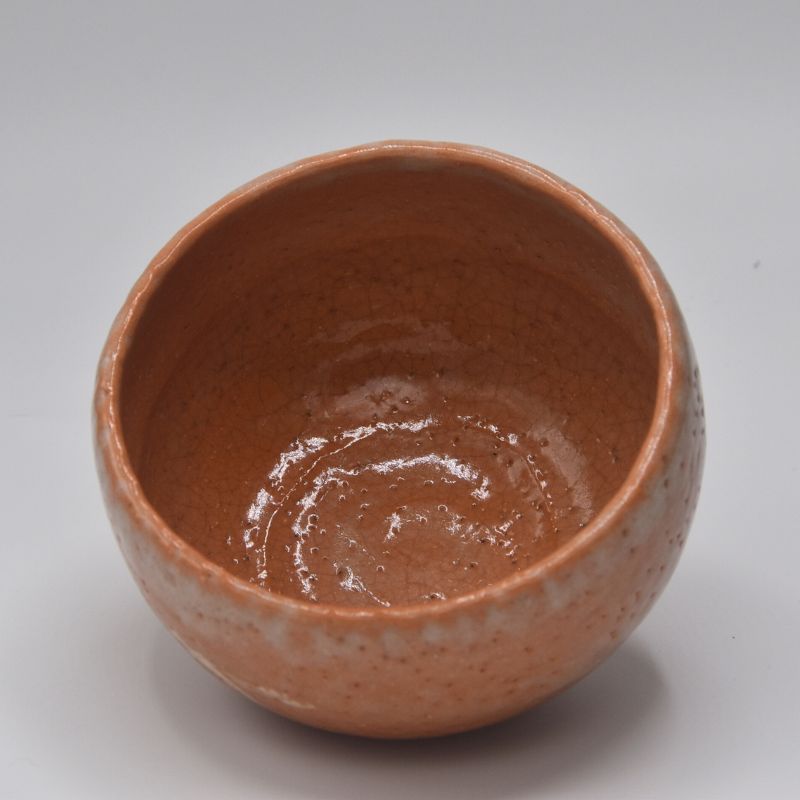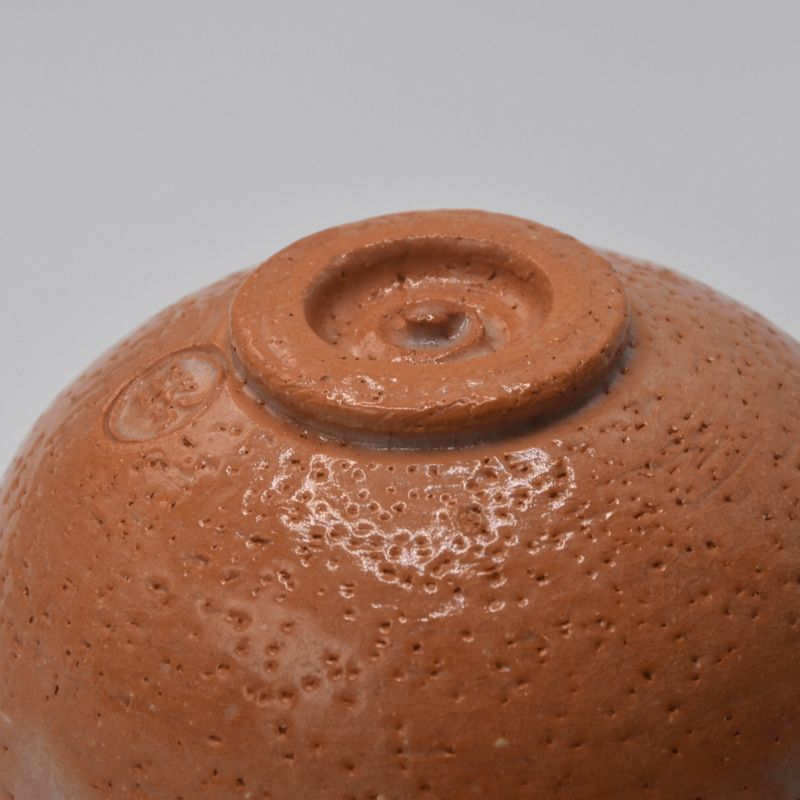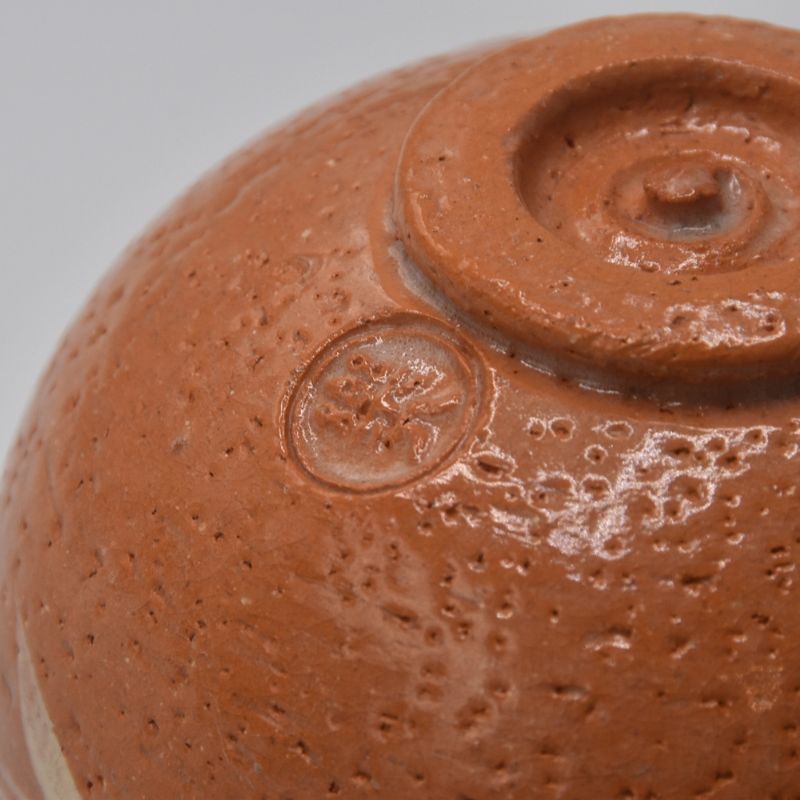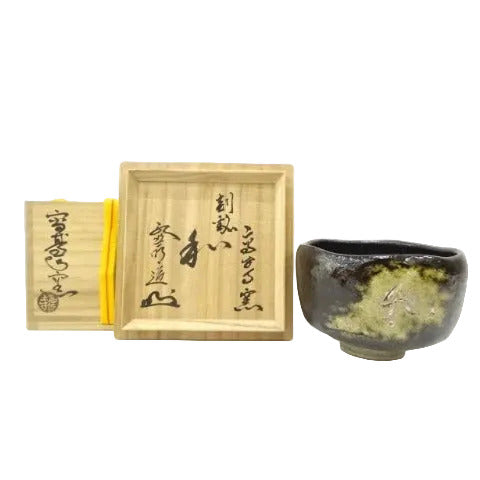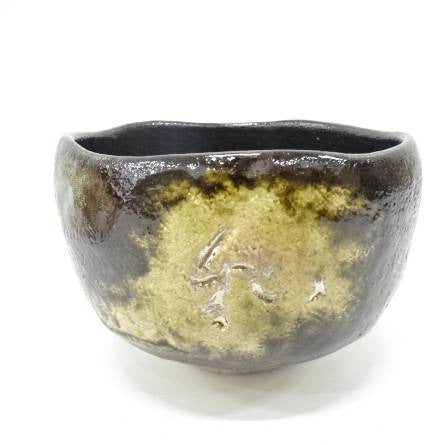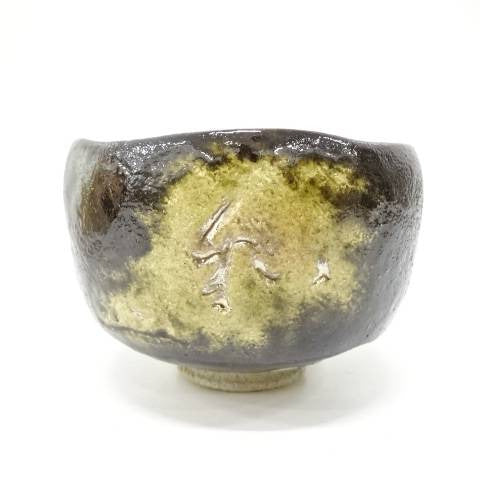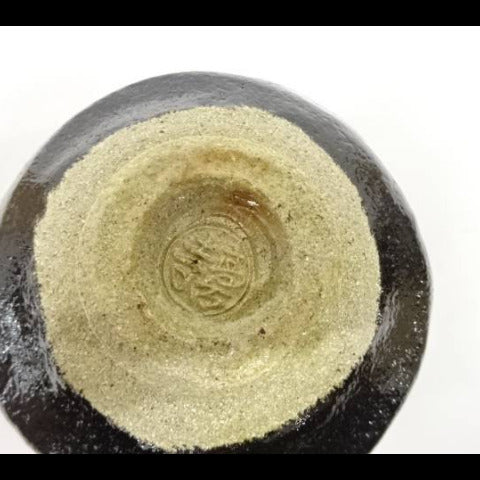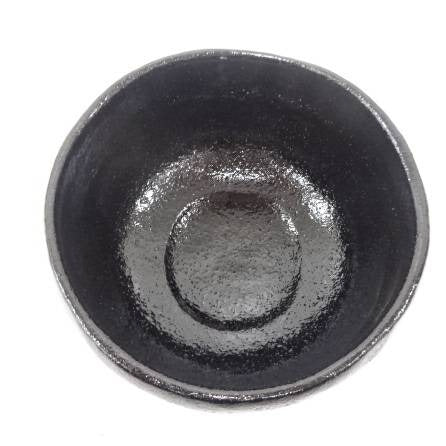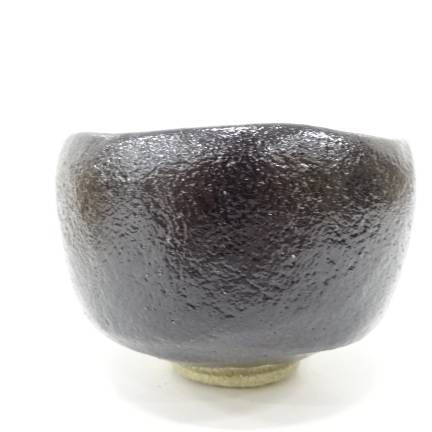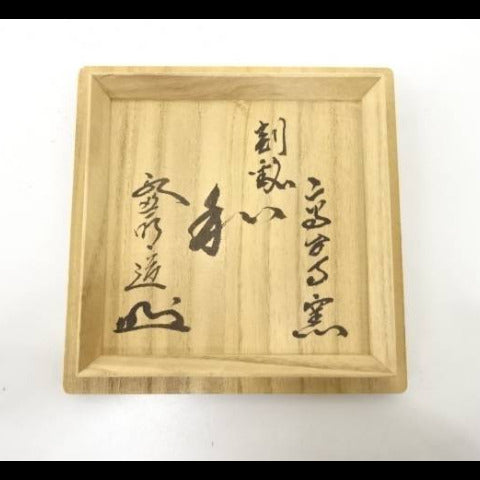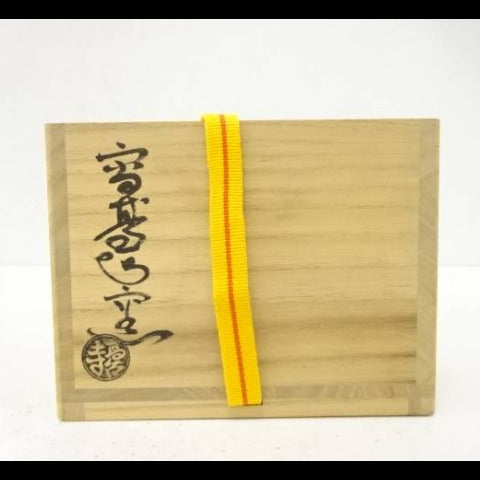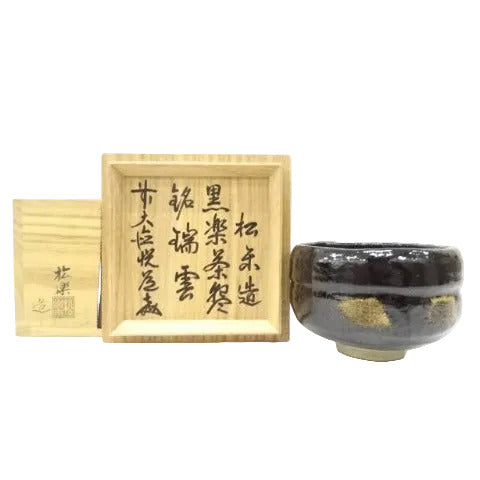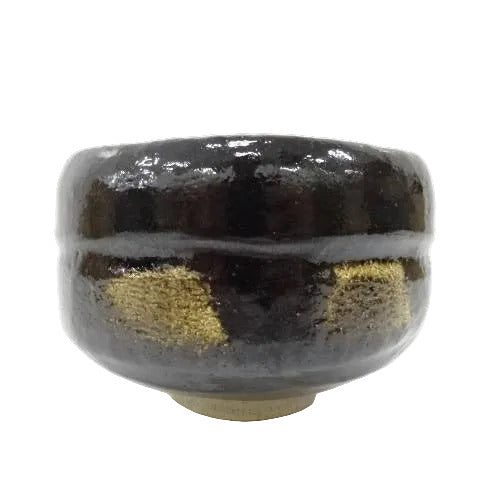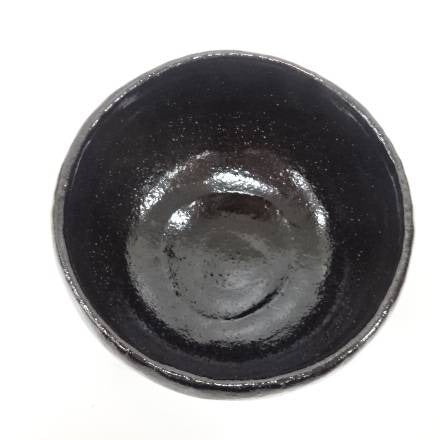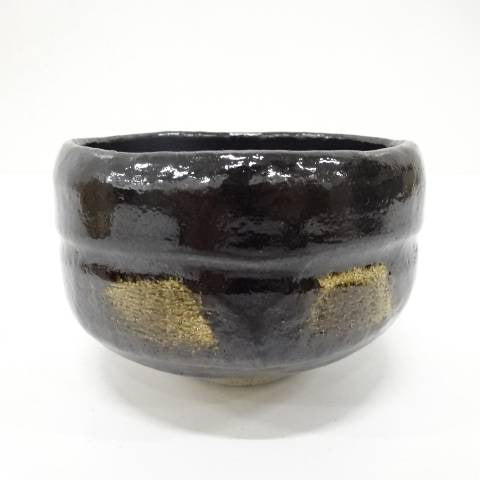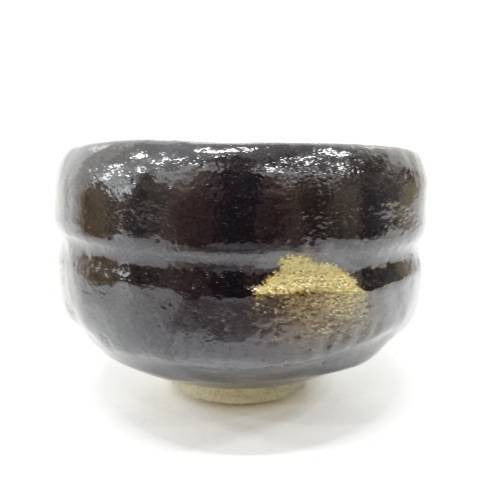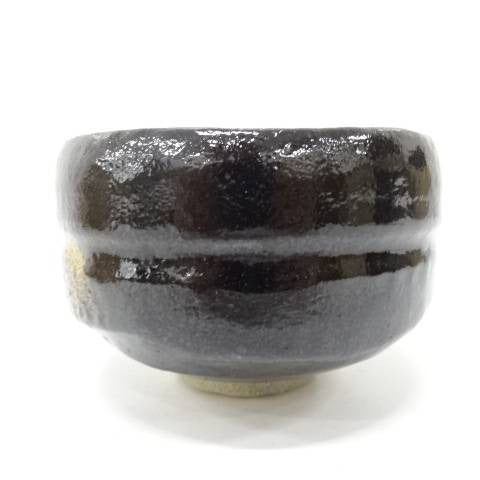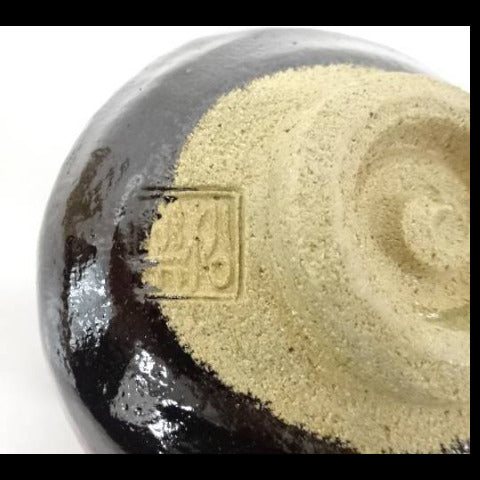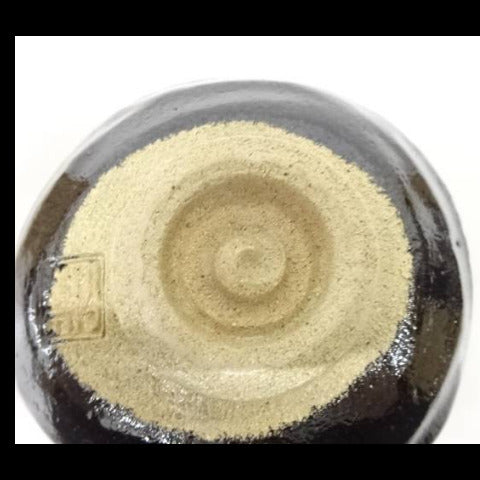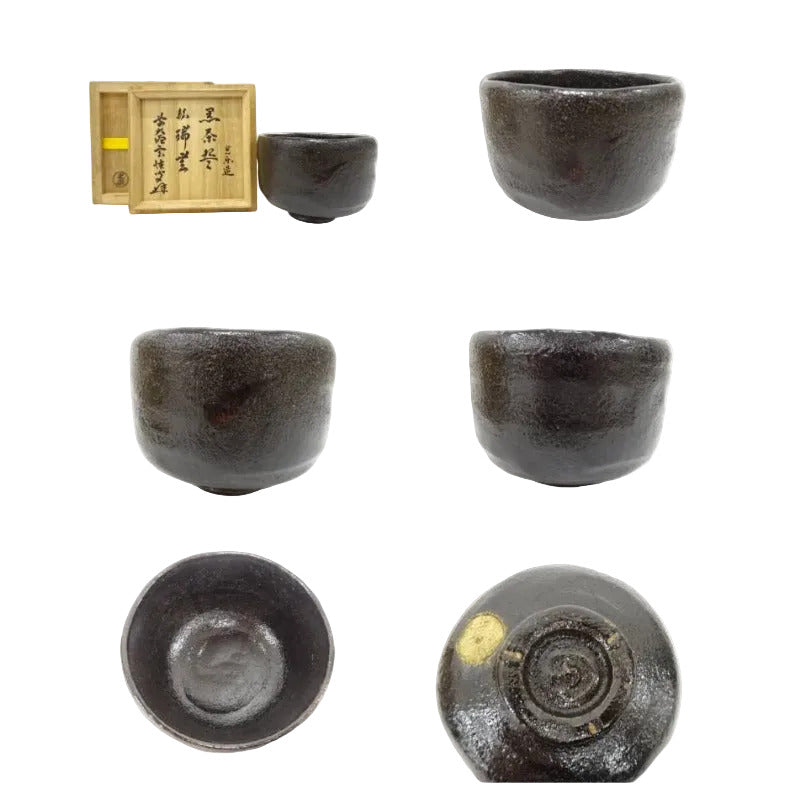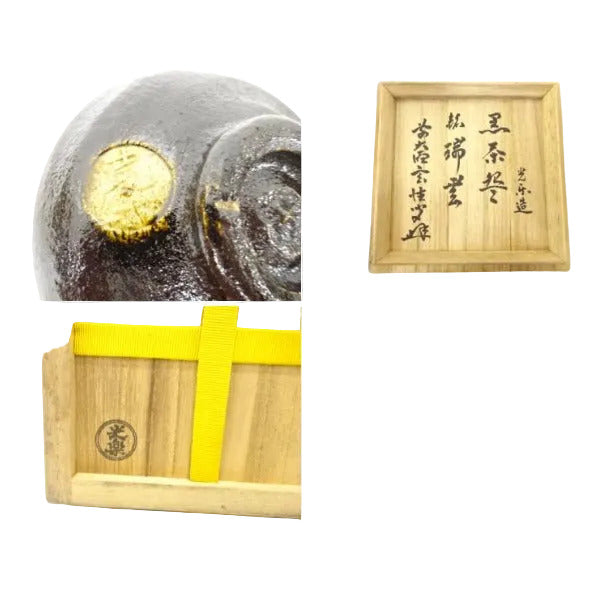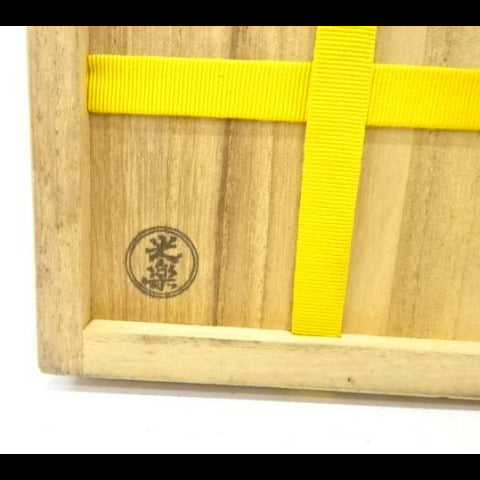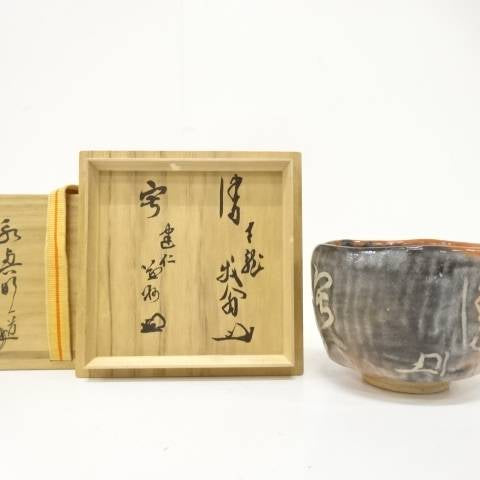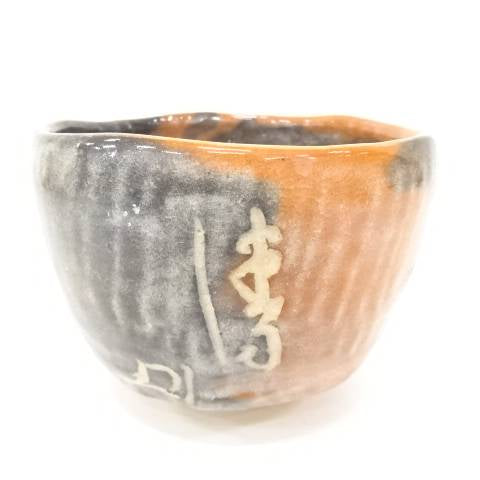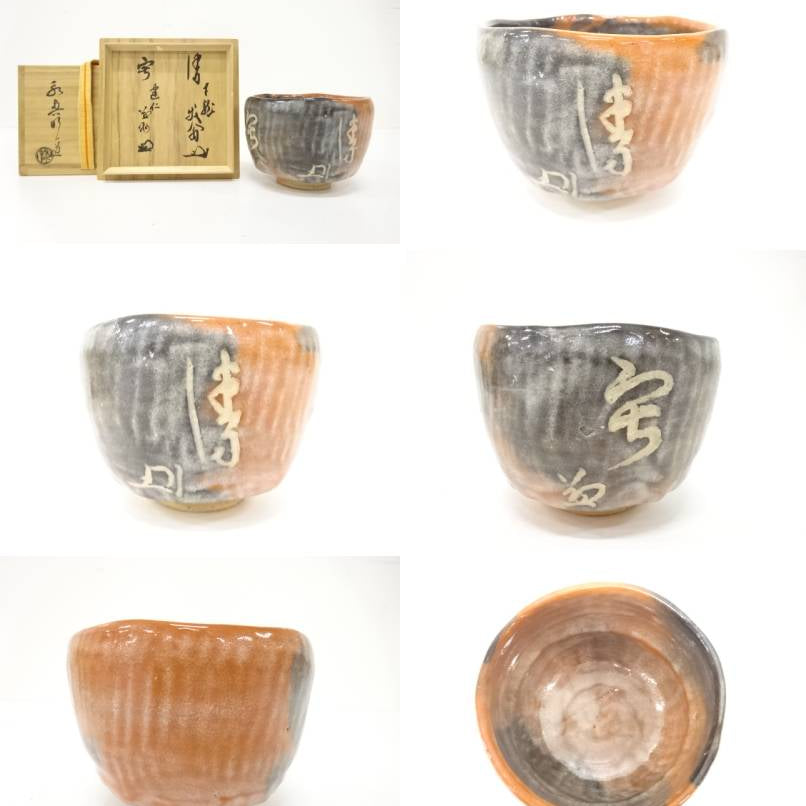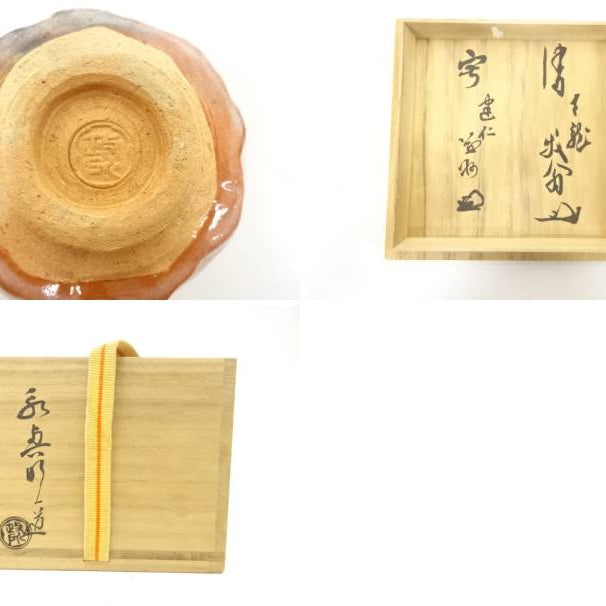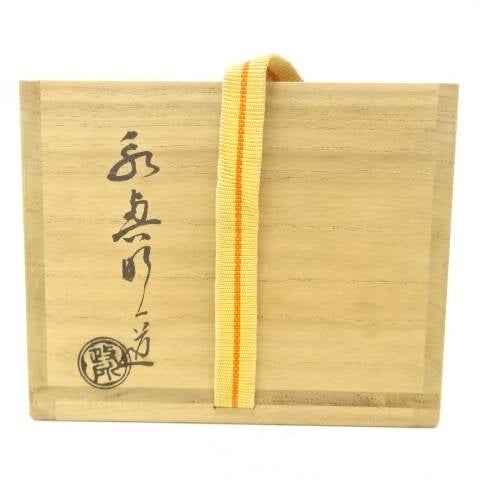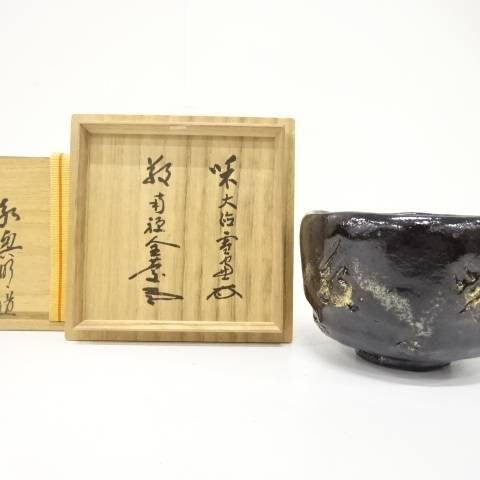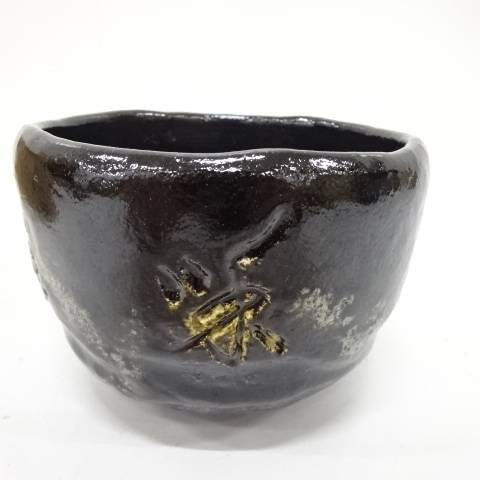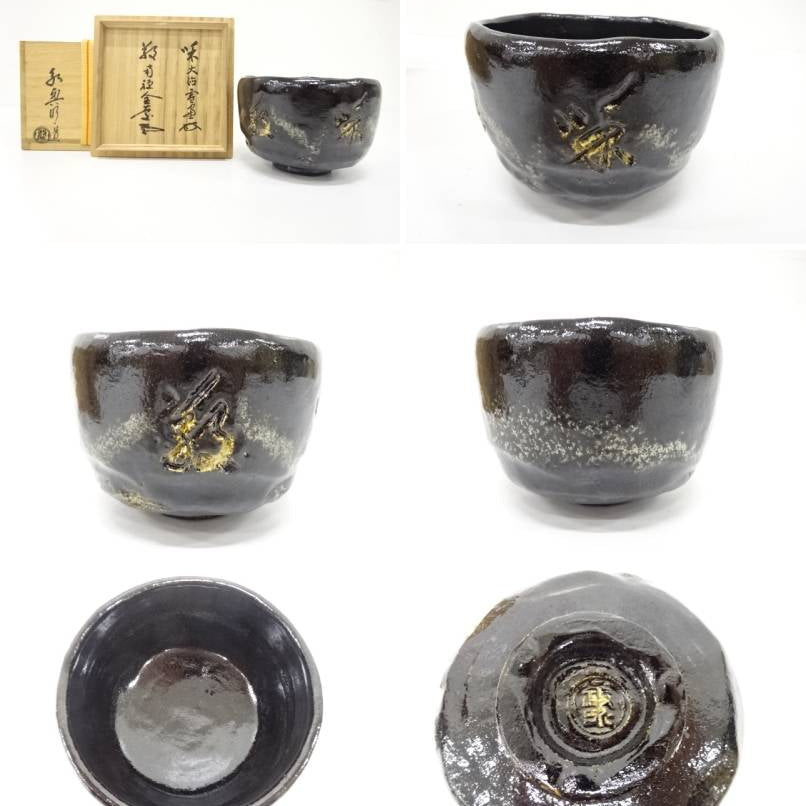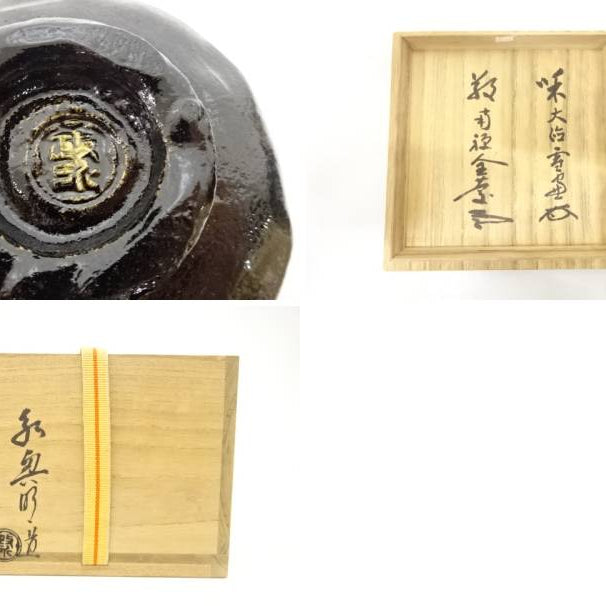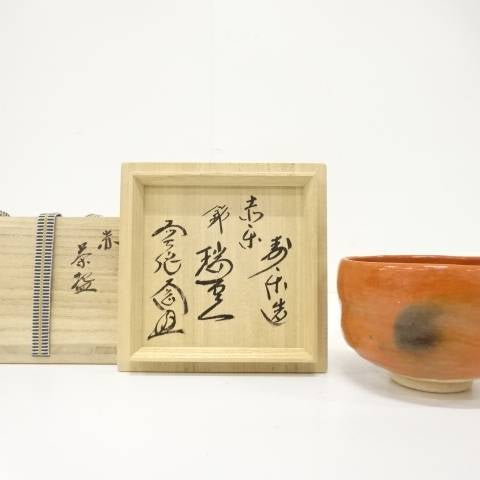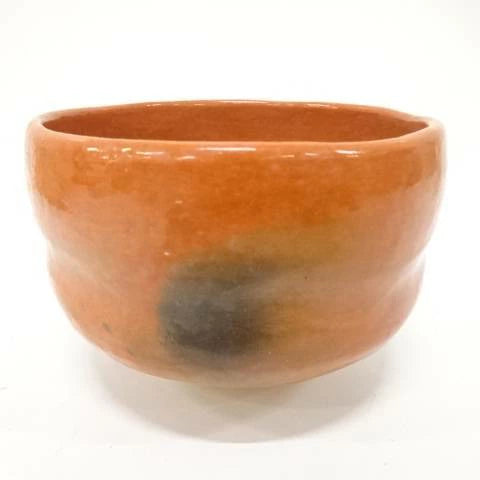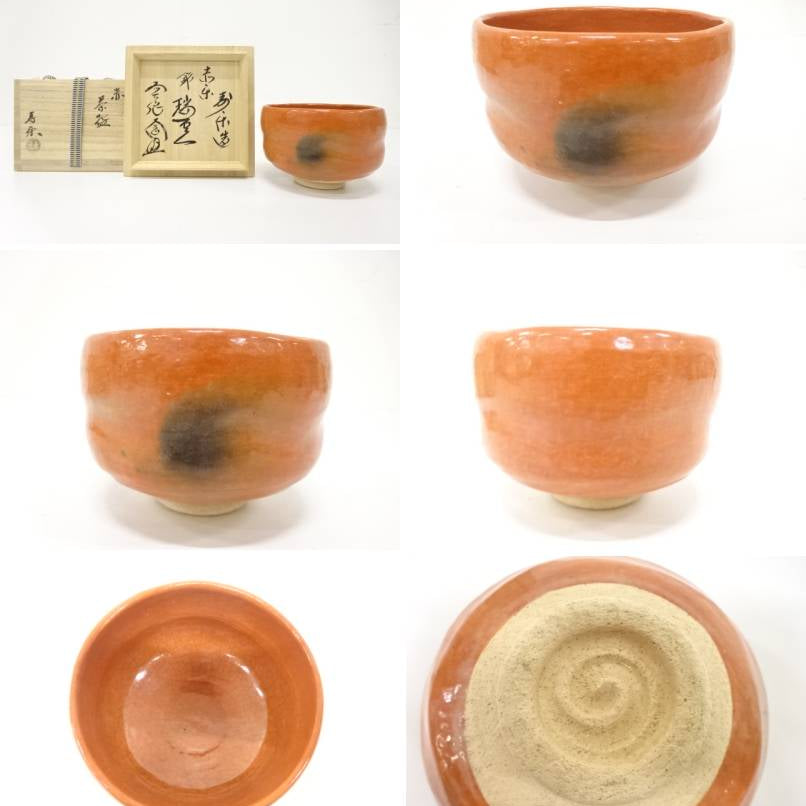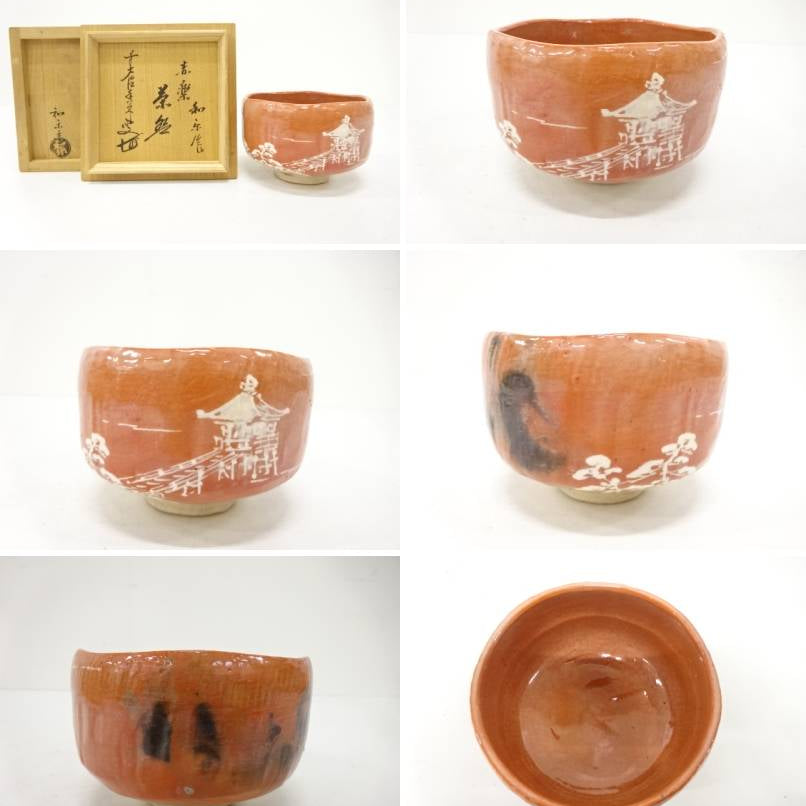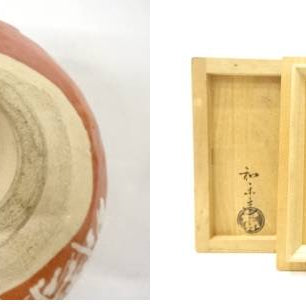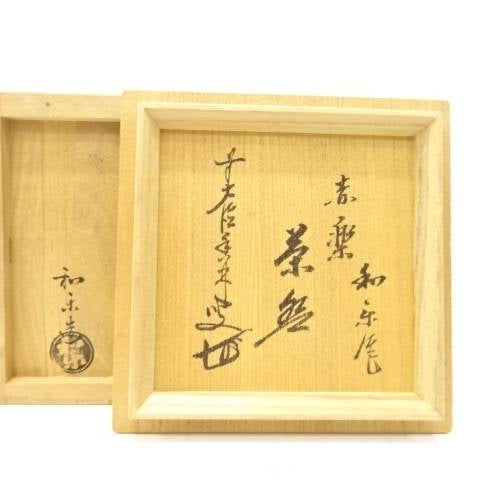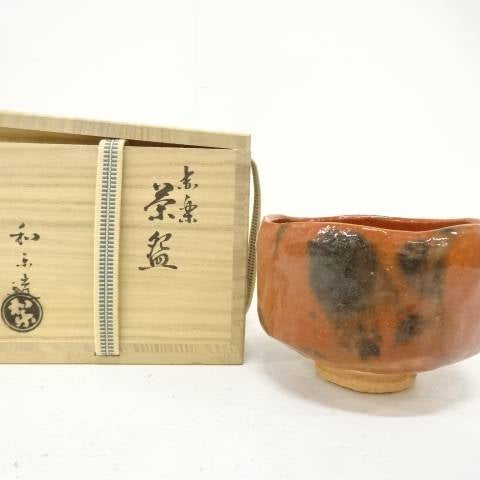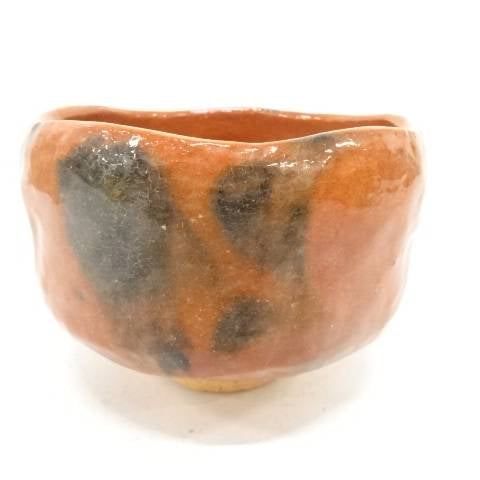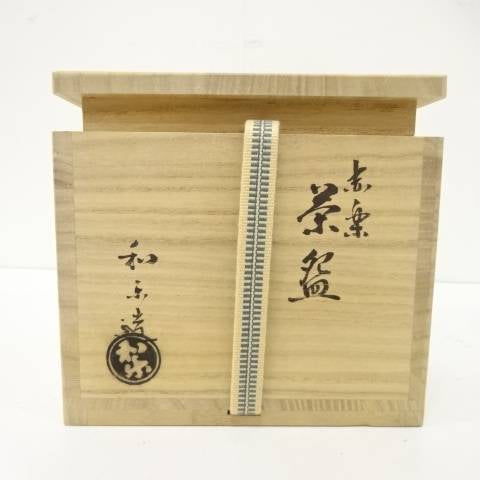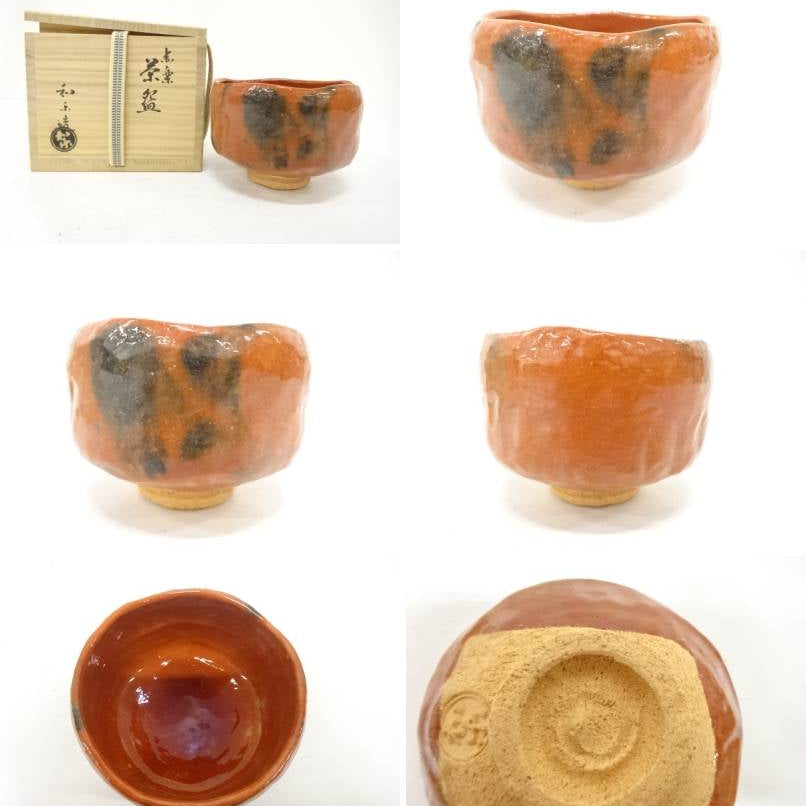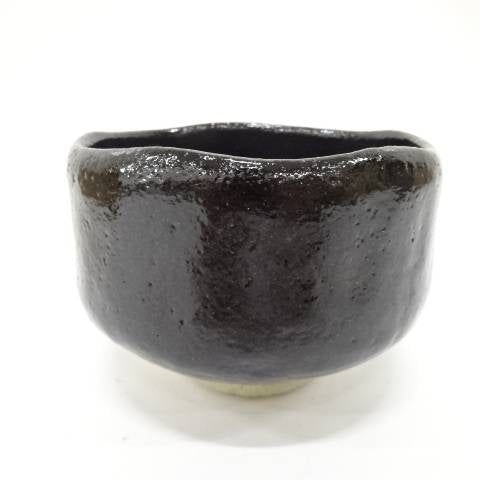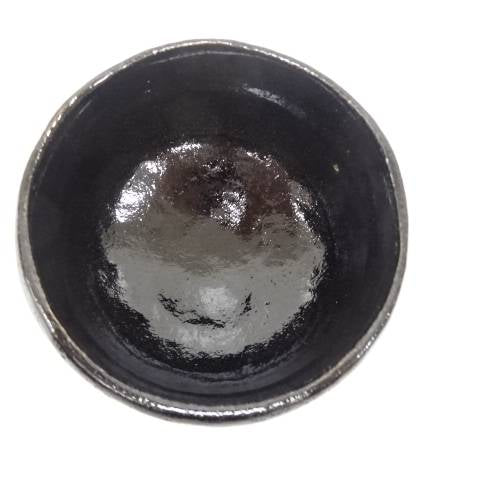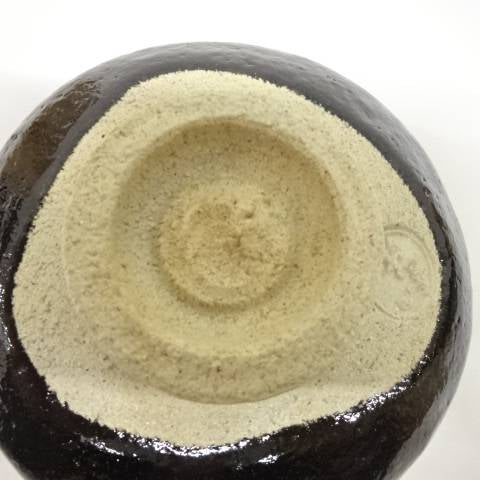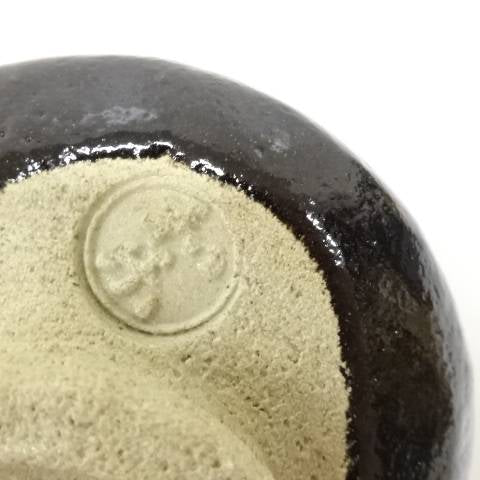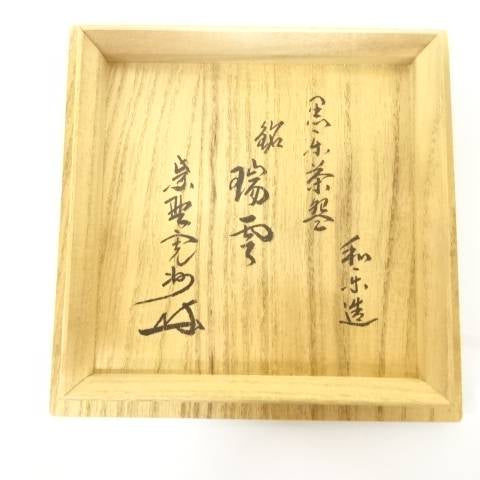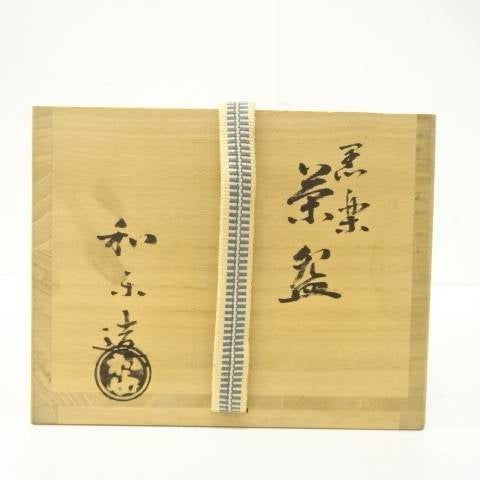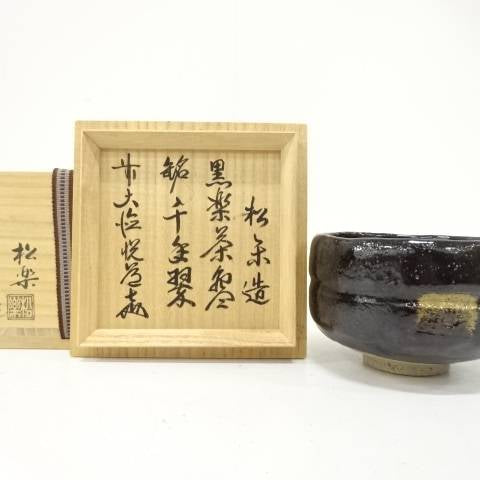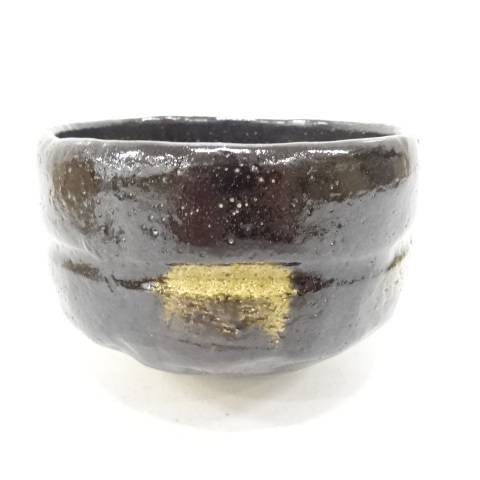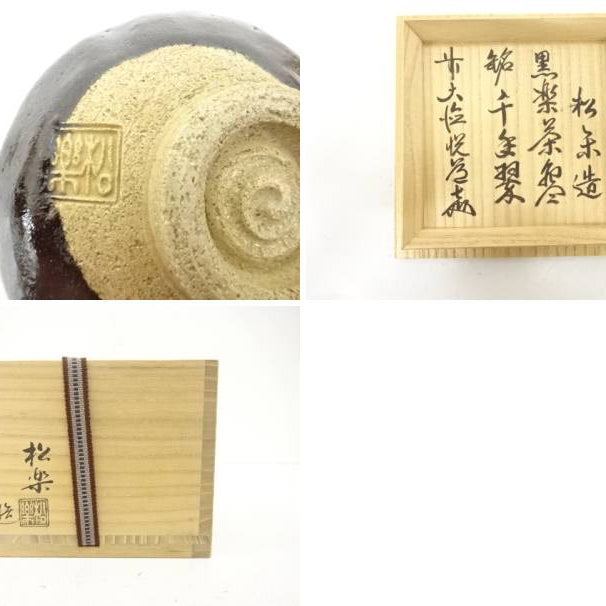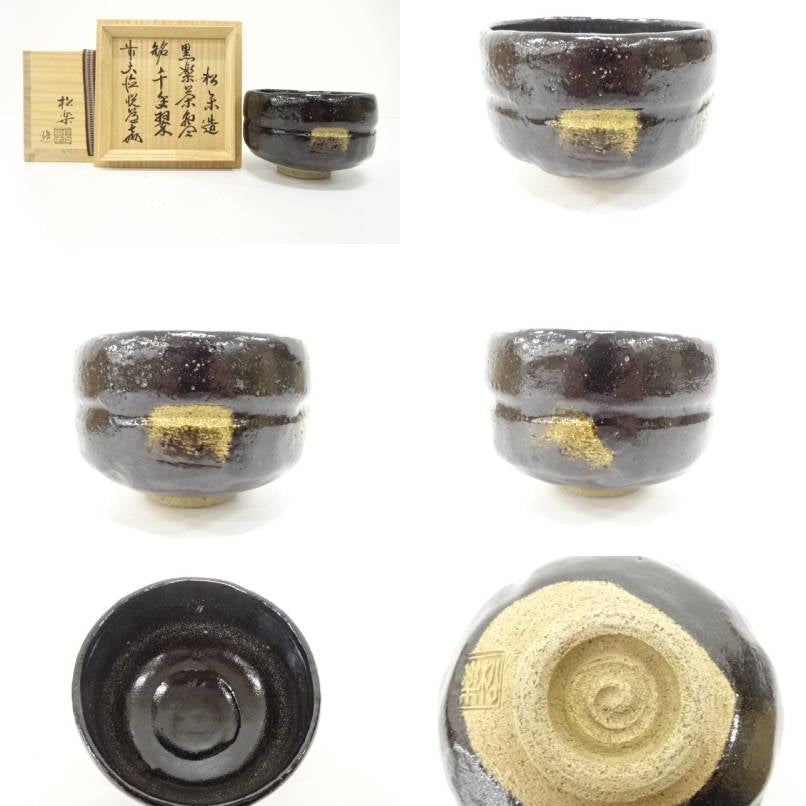
RAKU Matcha Bowl Chawan

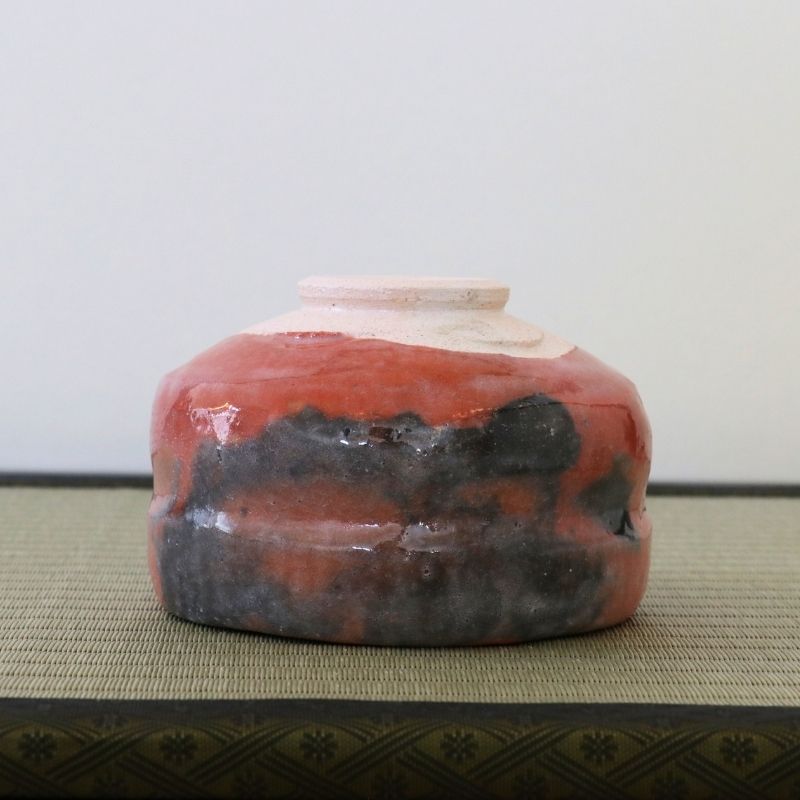
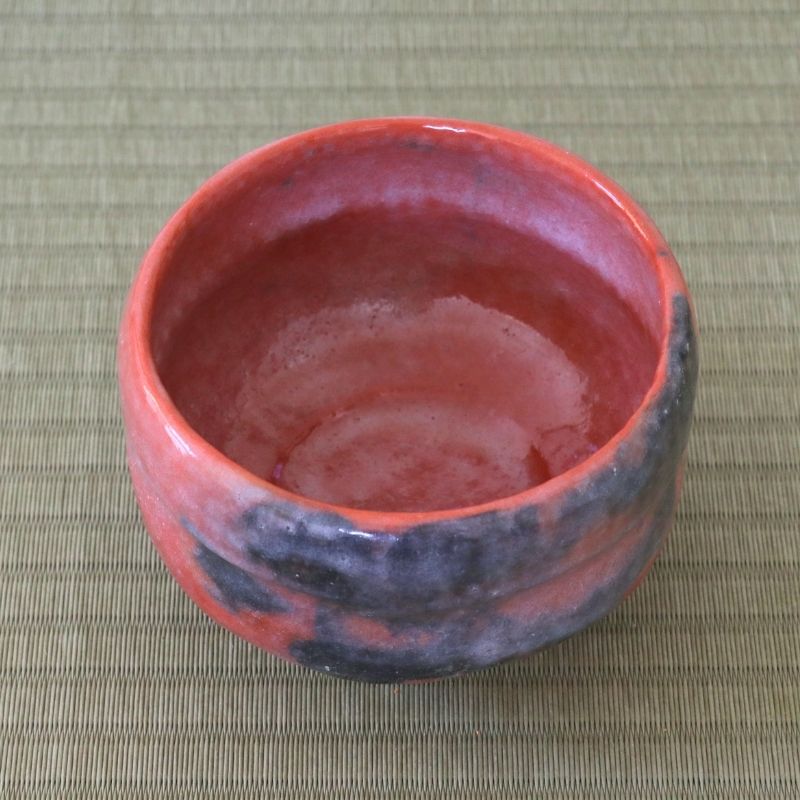
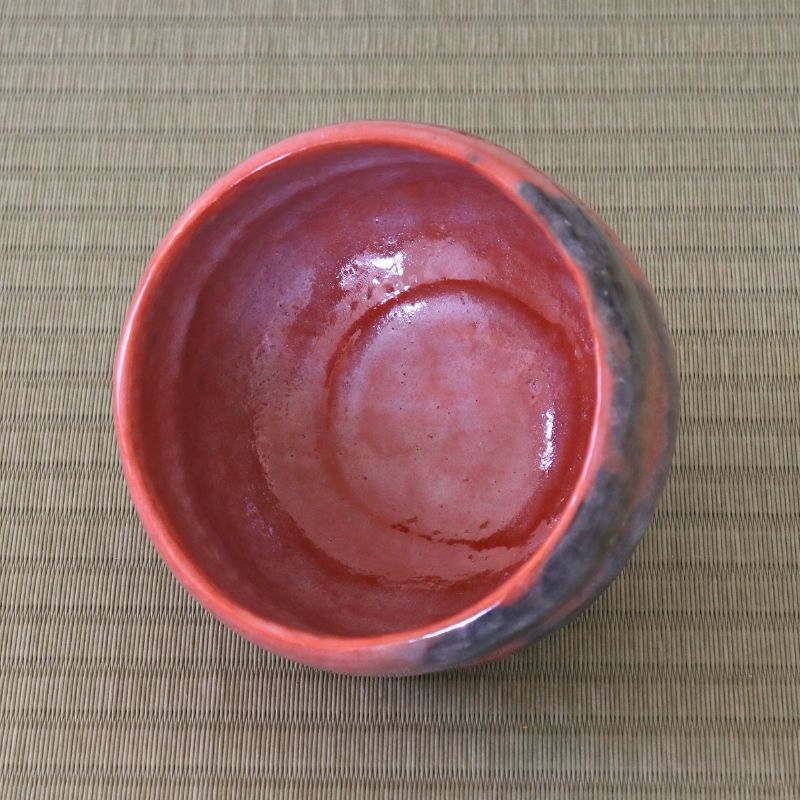
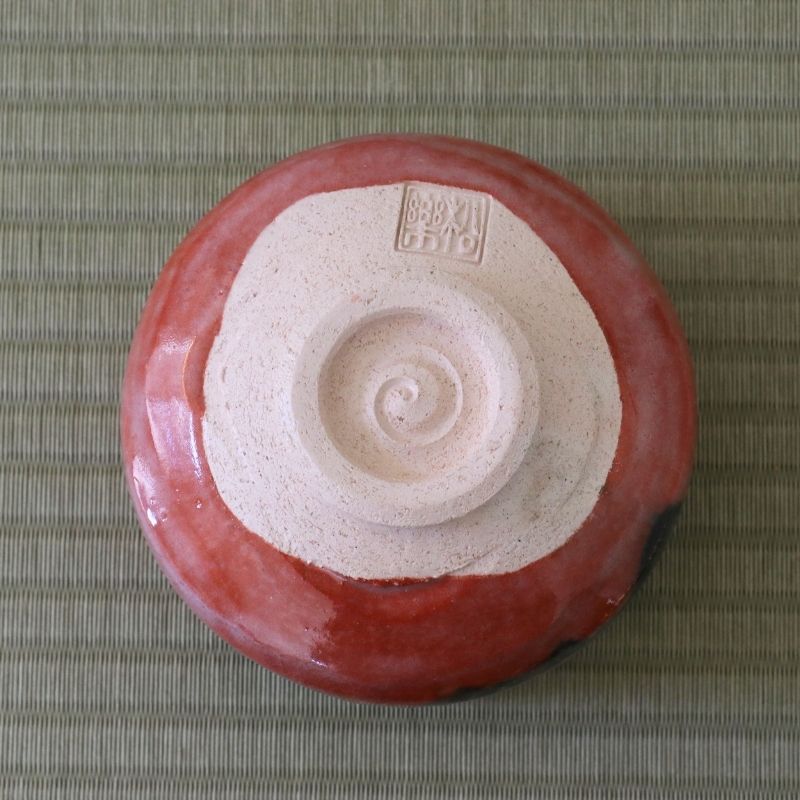
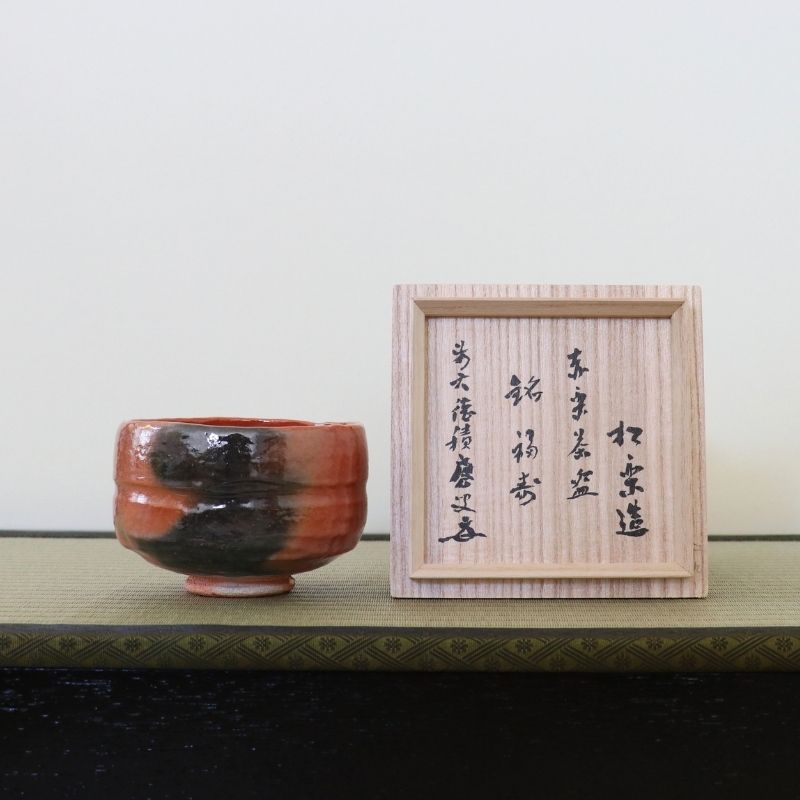
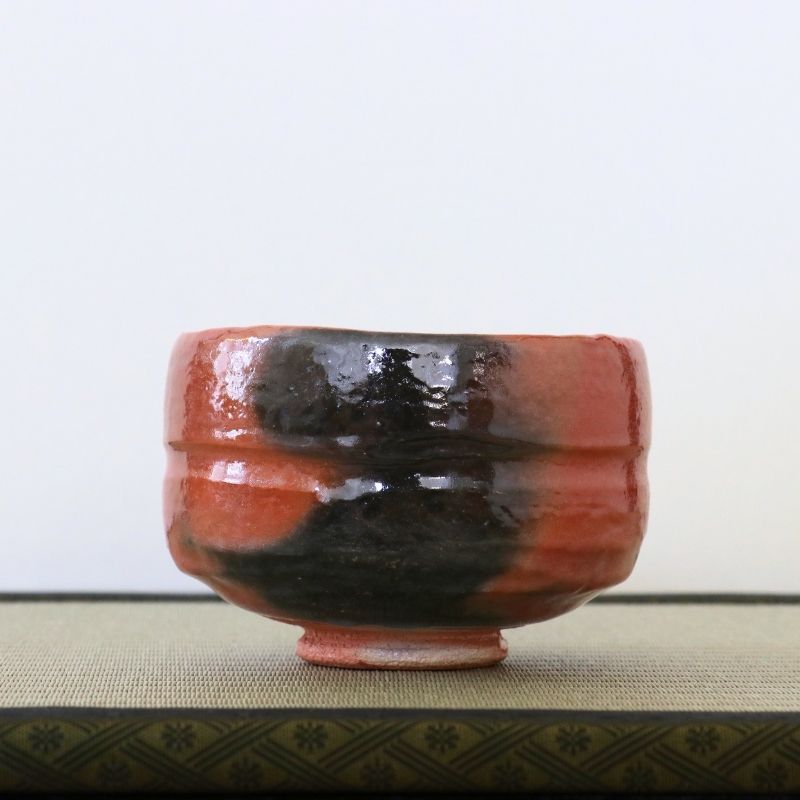
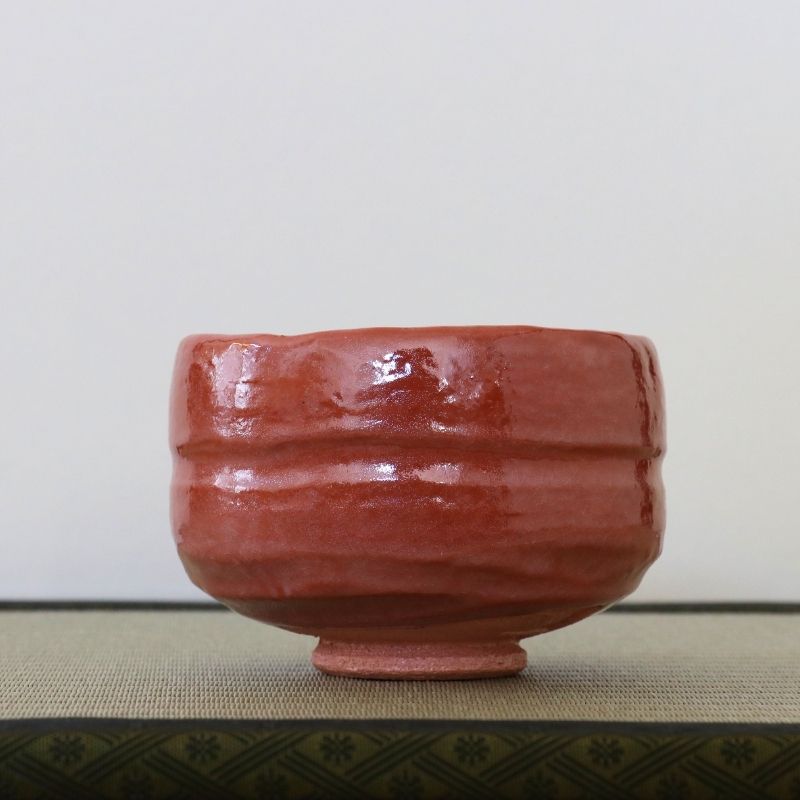
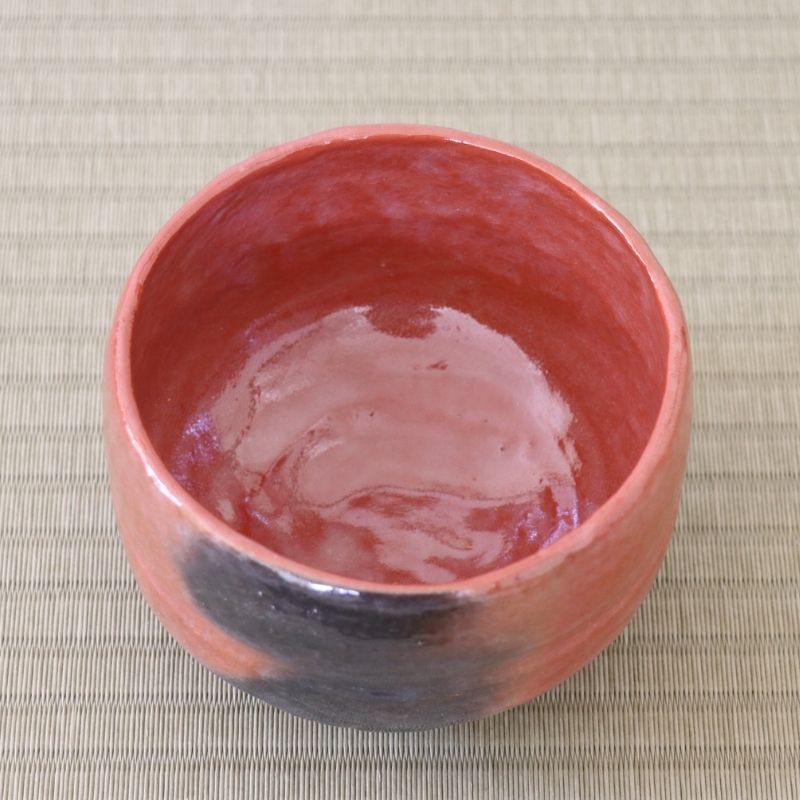
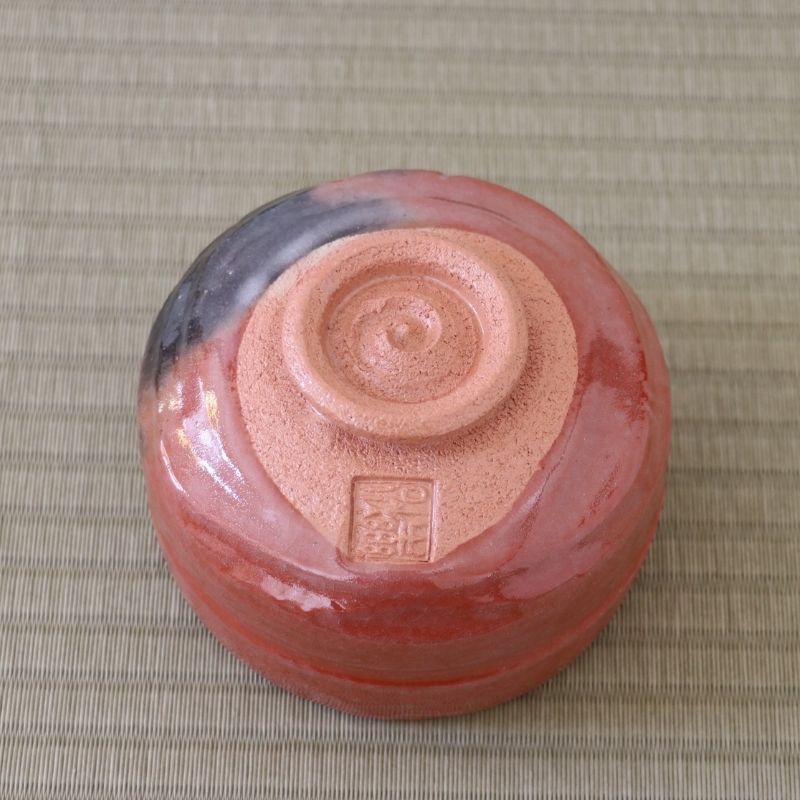
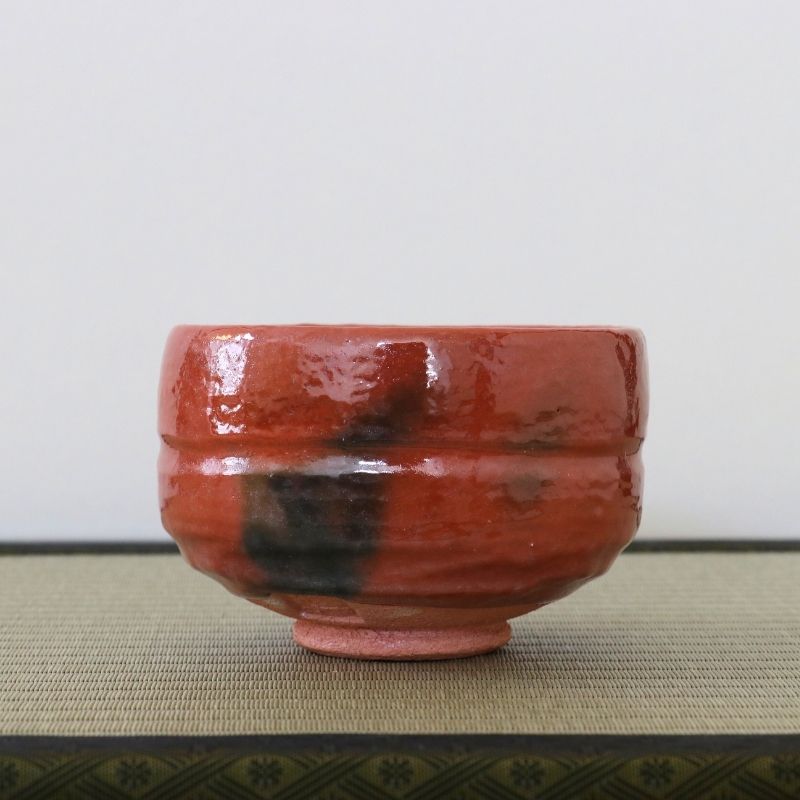
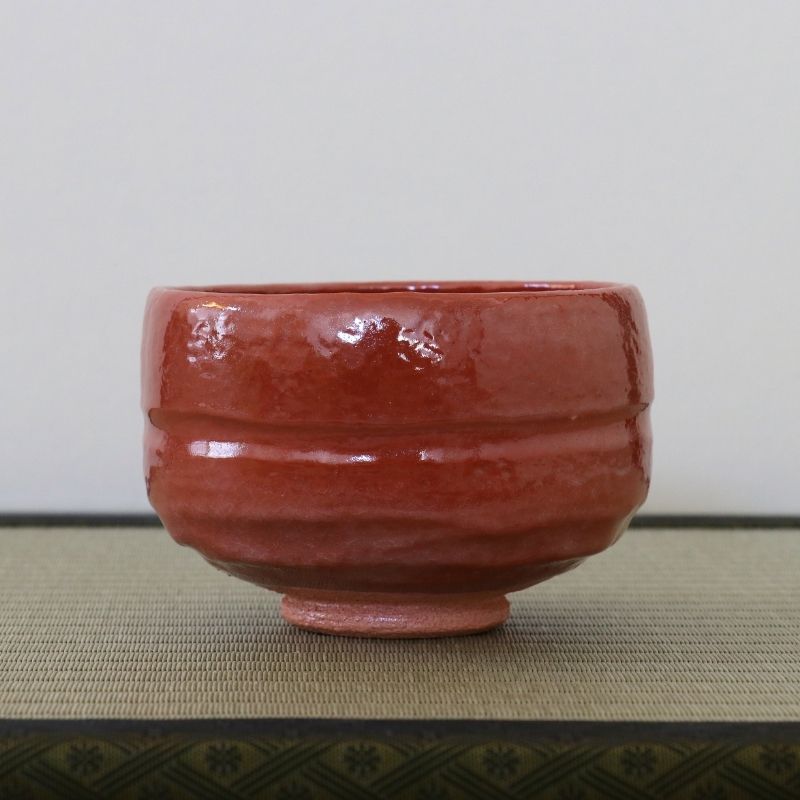
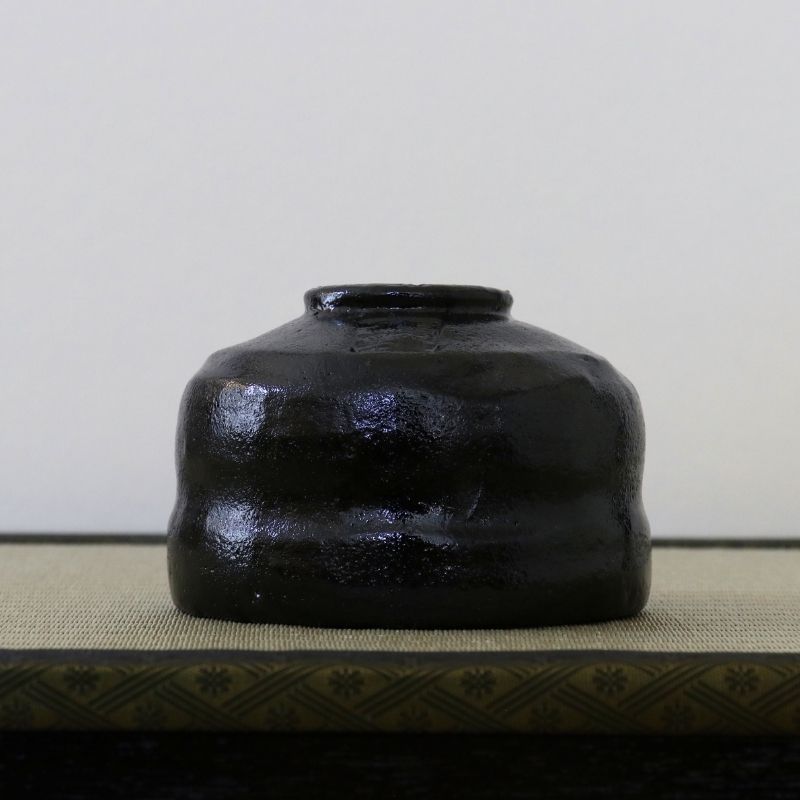
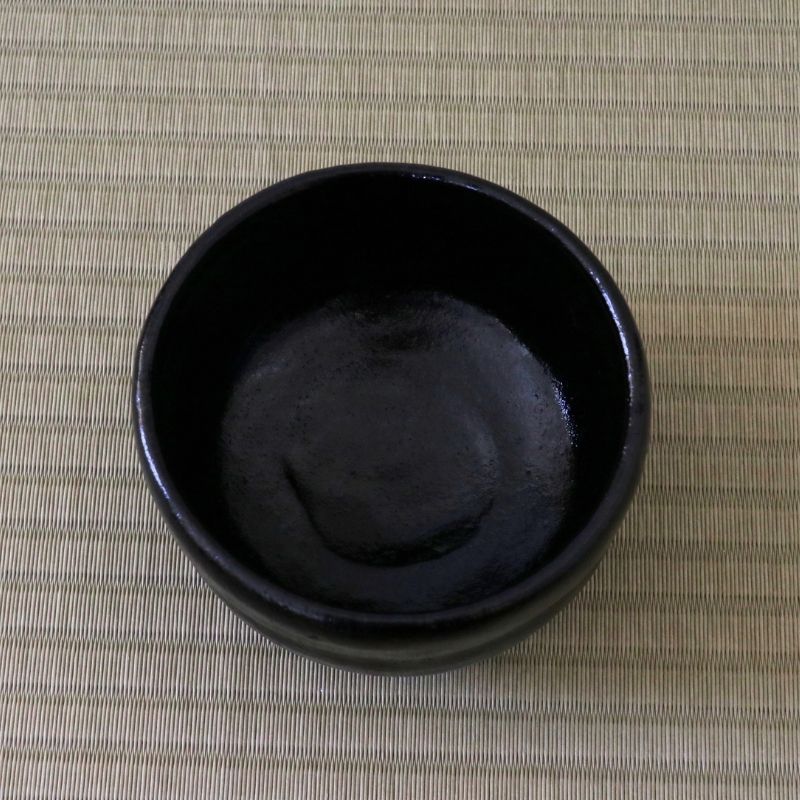
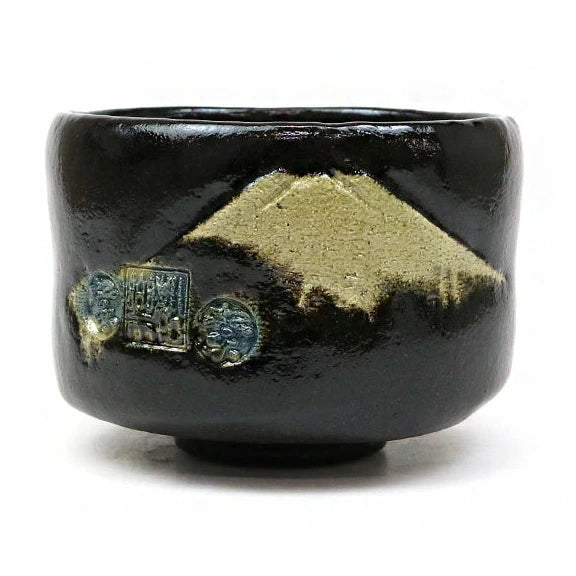
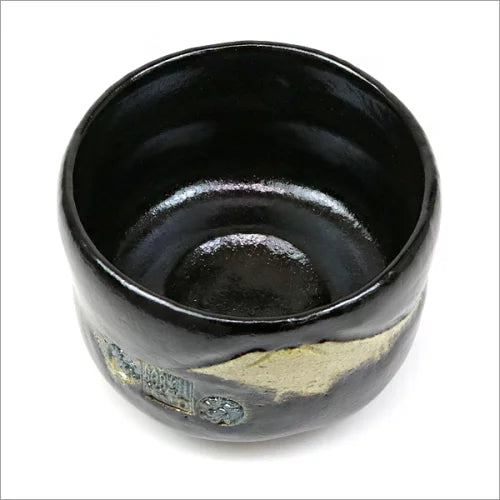
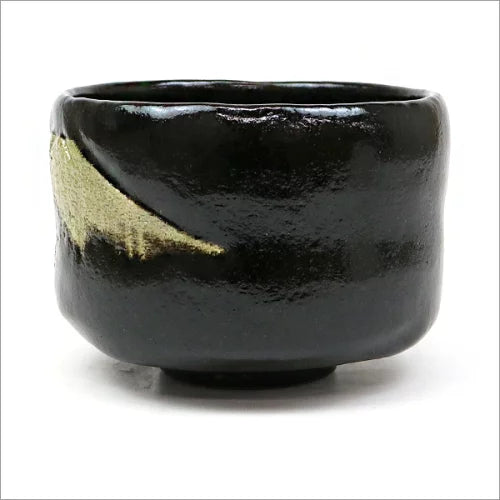
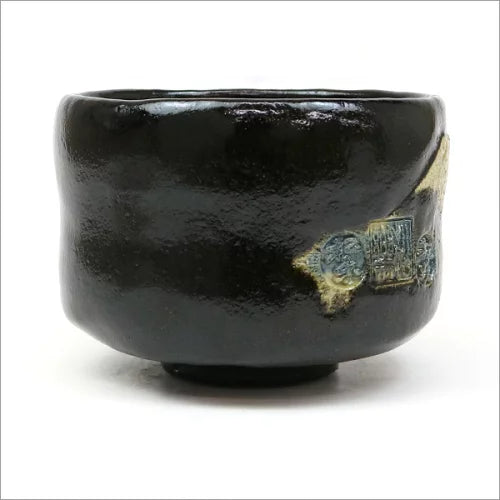
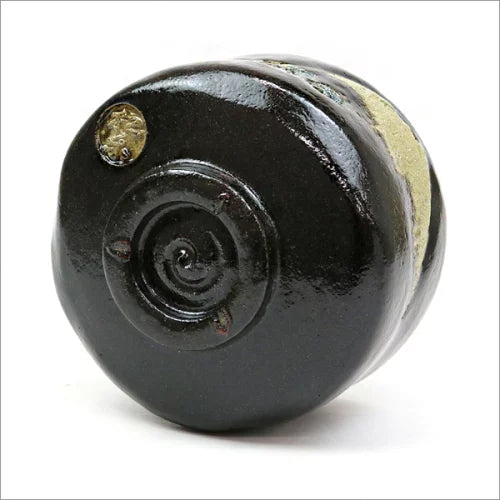
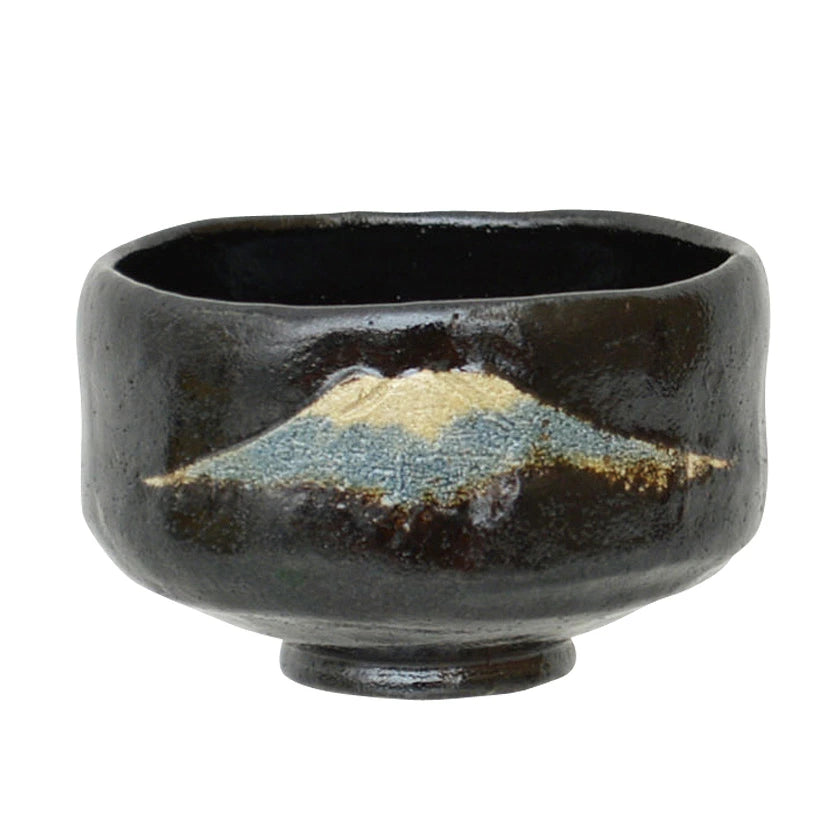
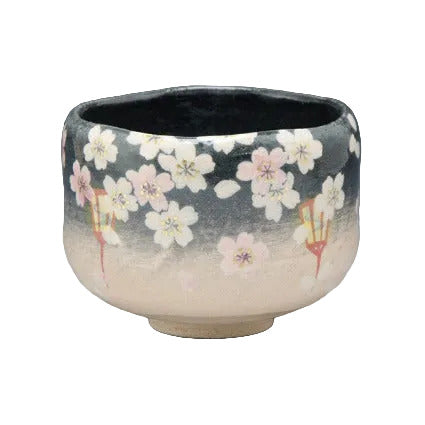
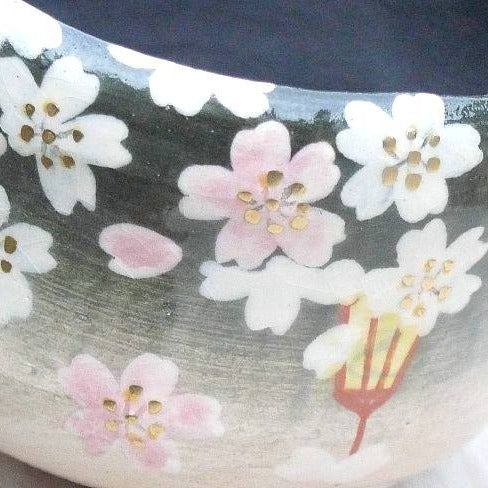
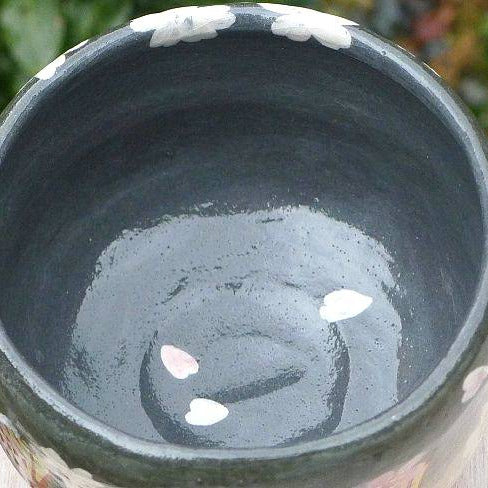
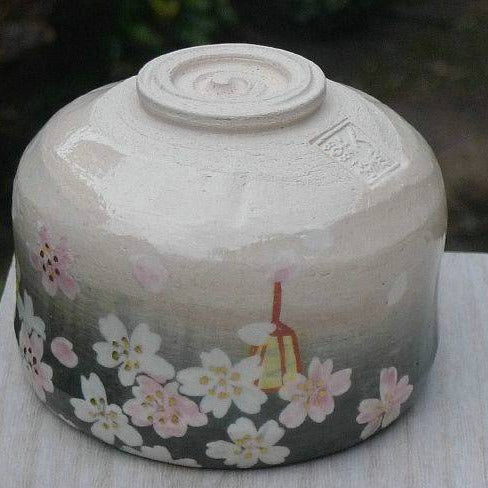
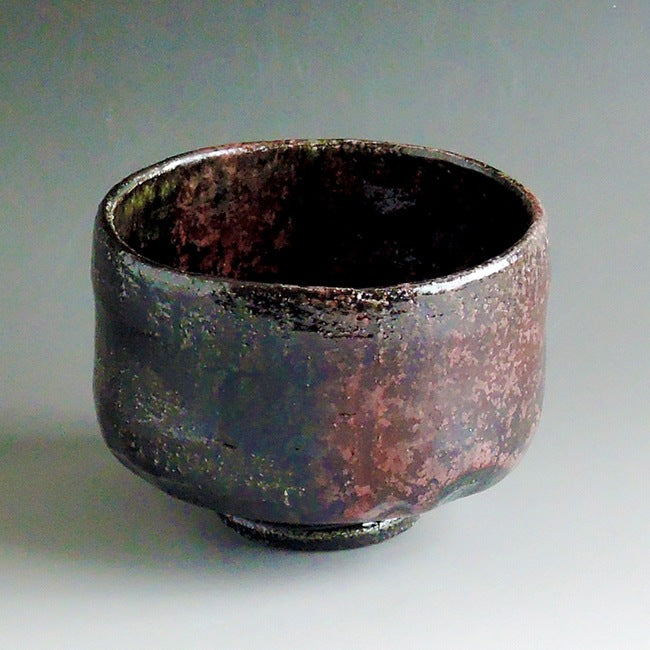
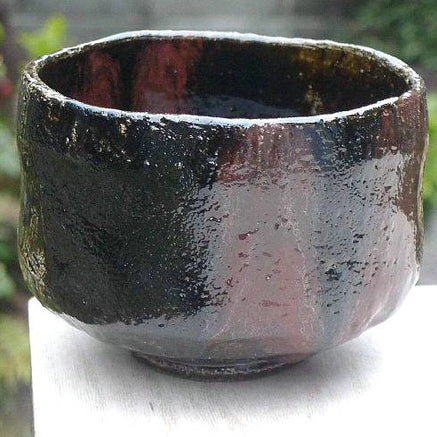
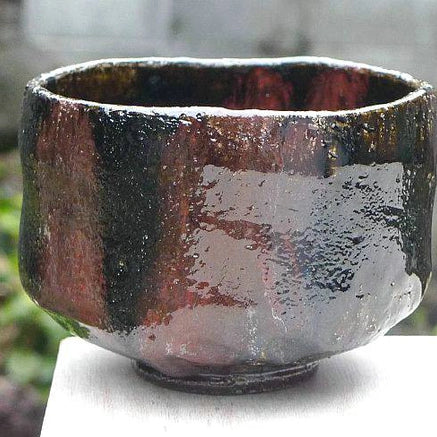
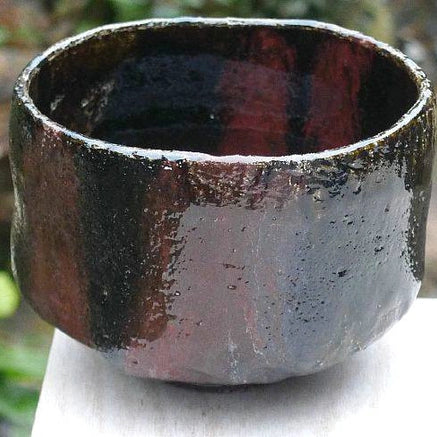
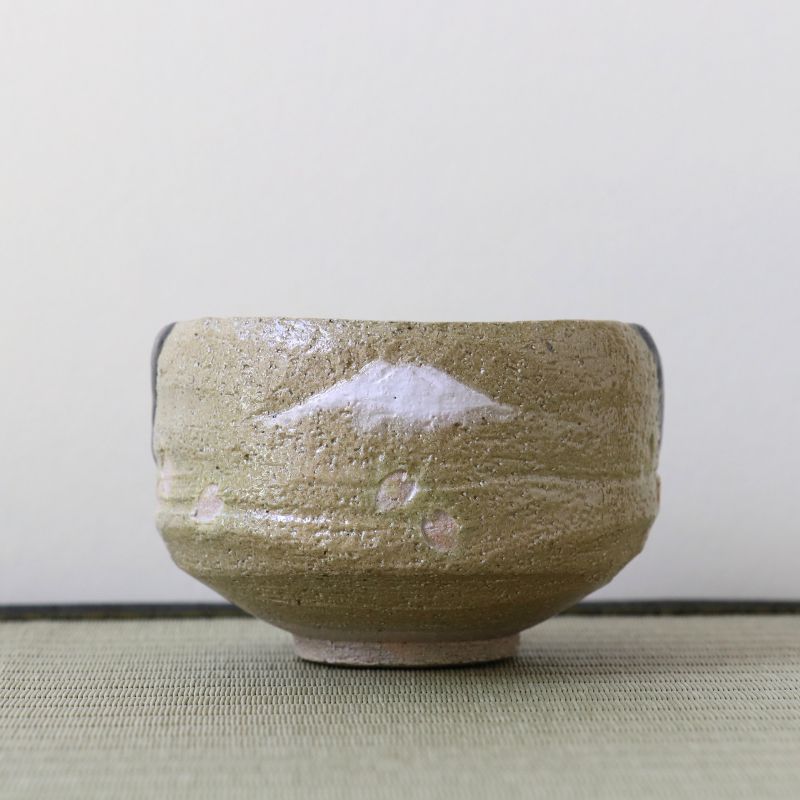
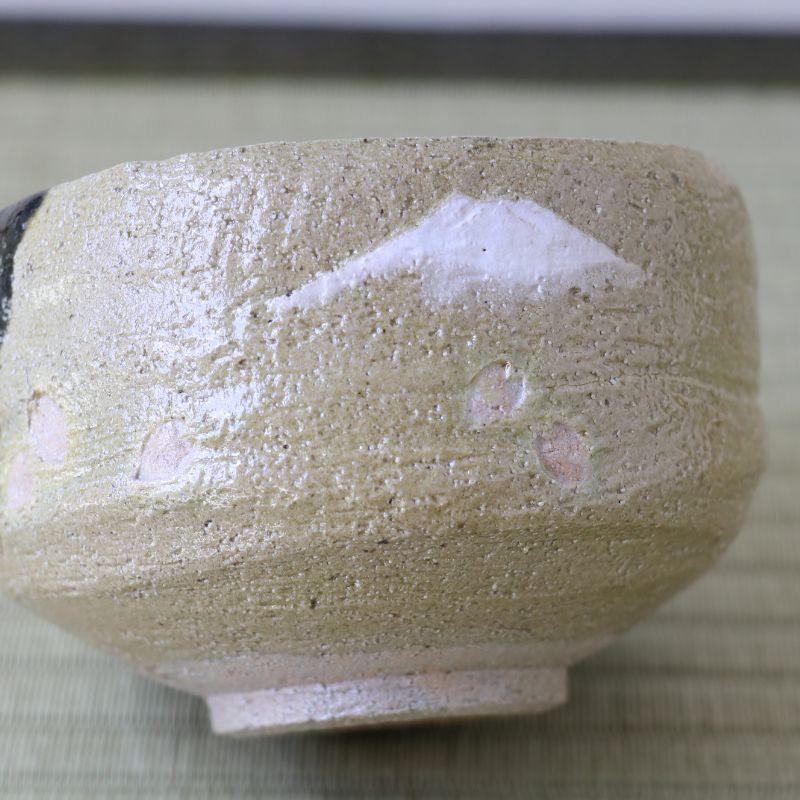
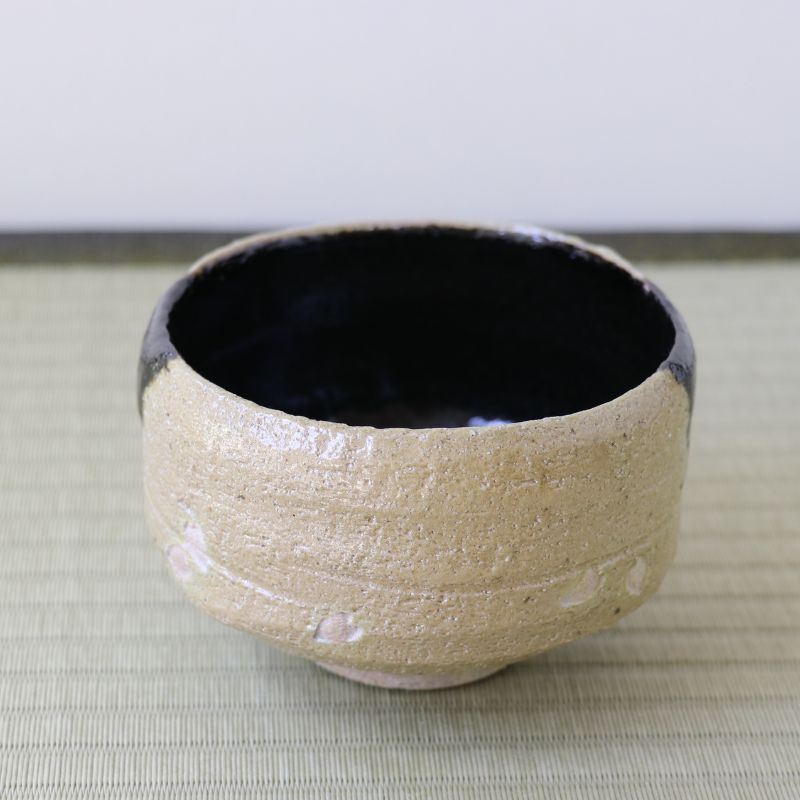
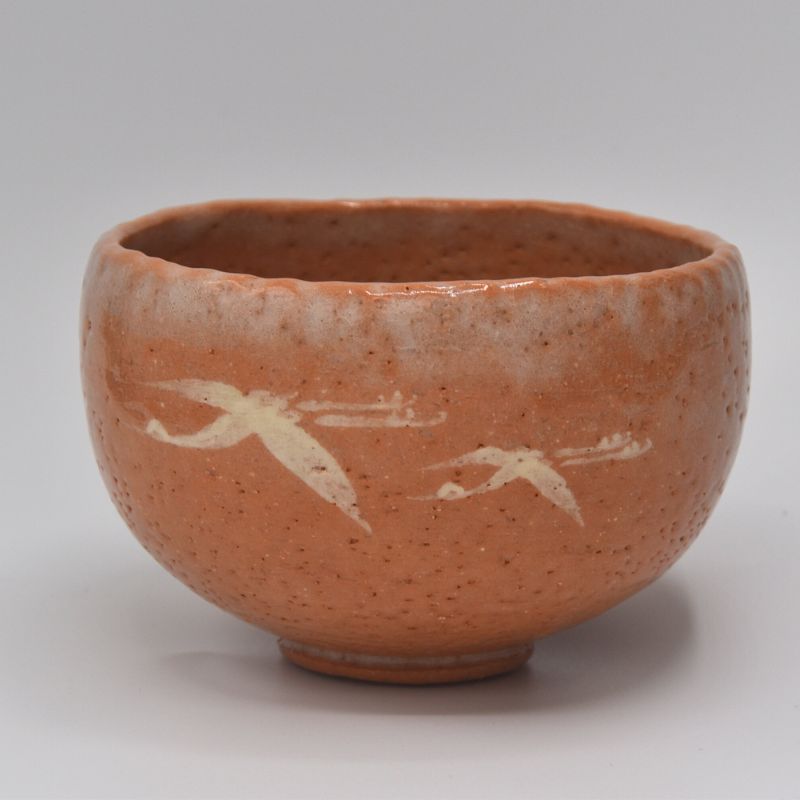
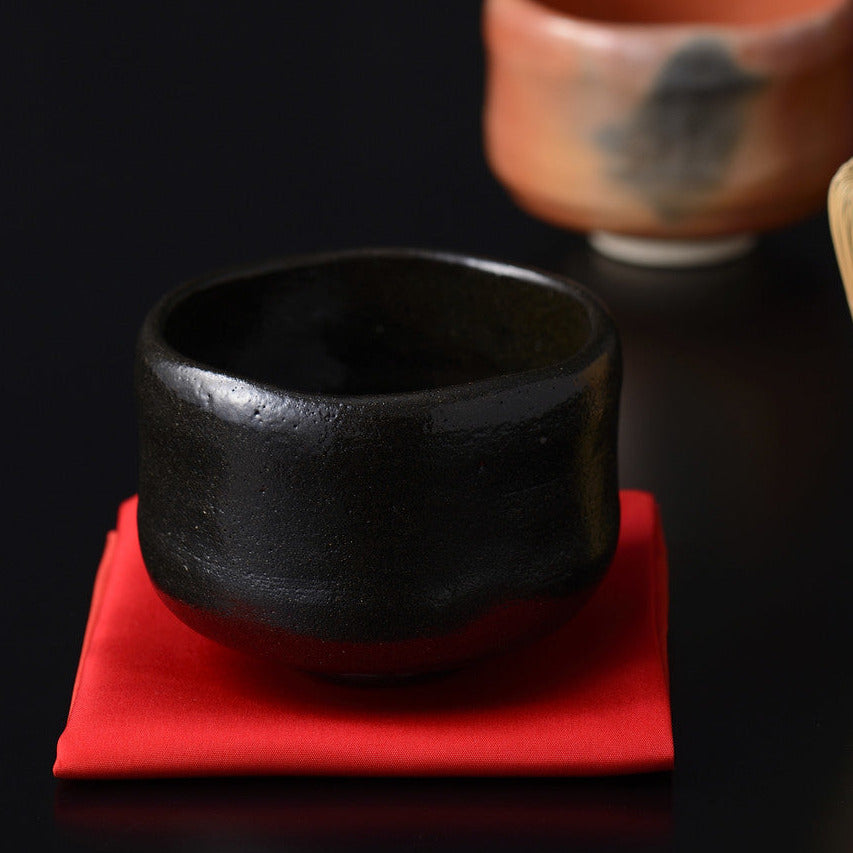
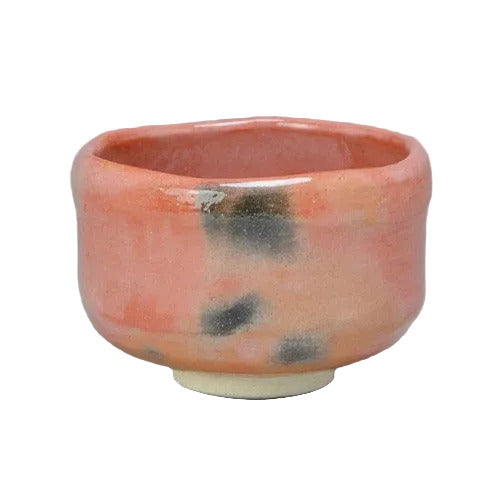
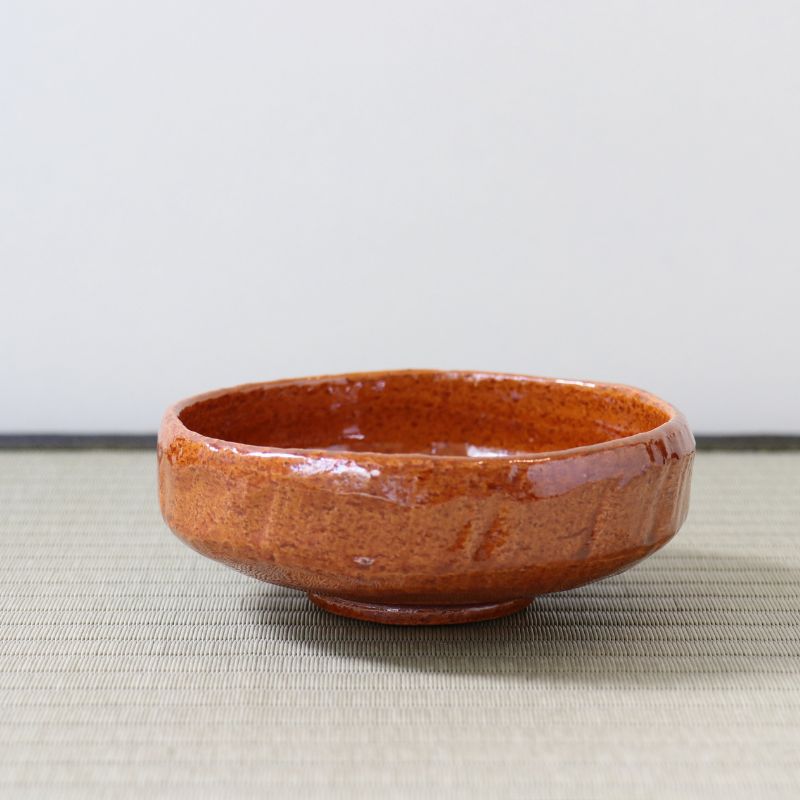
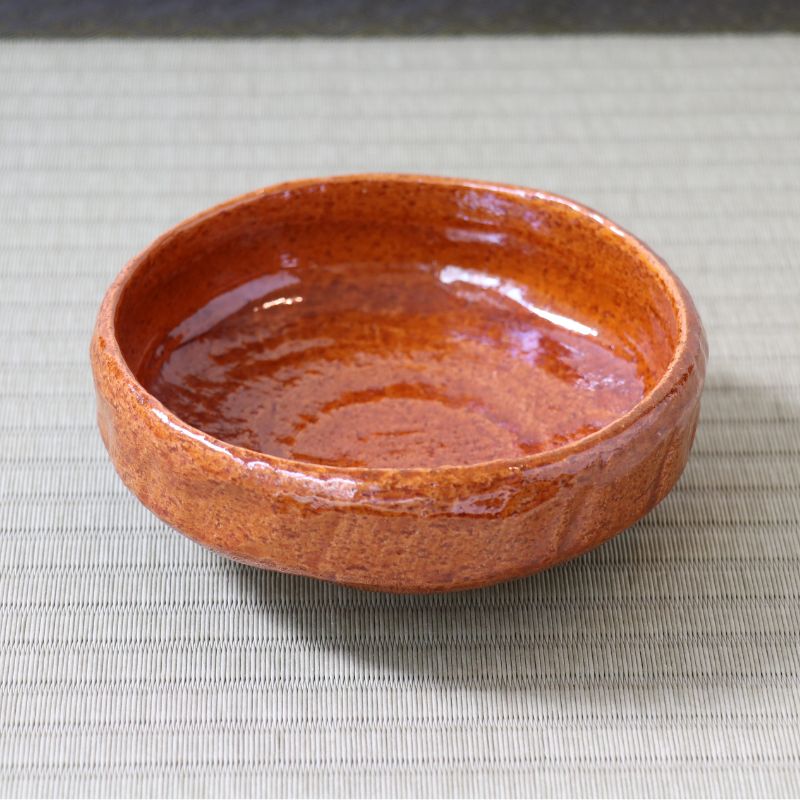
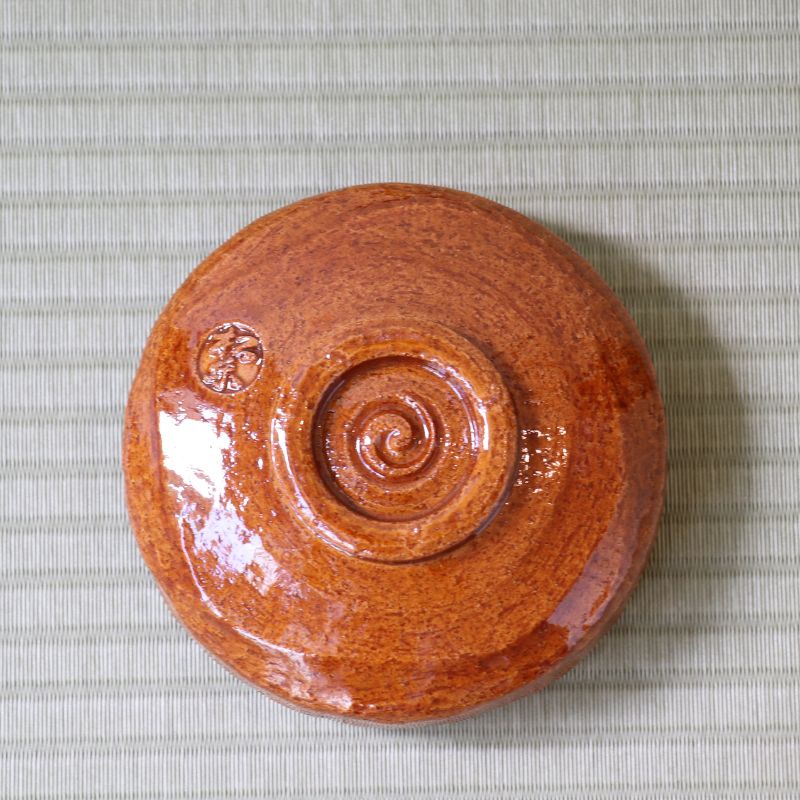
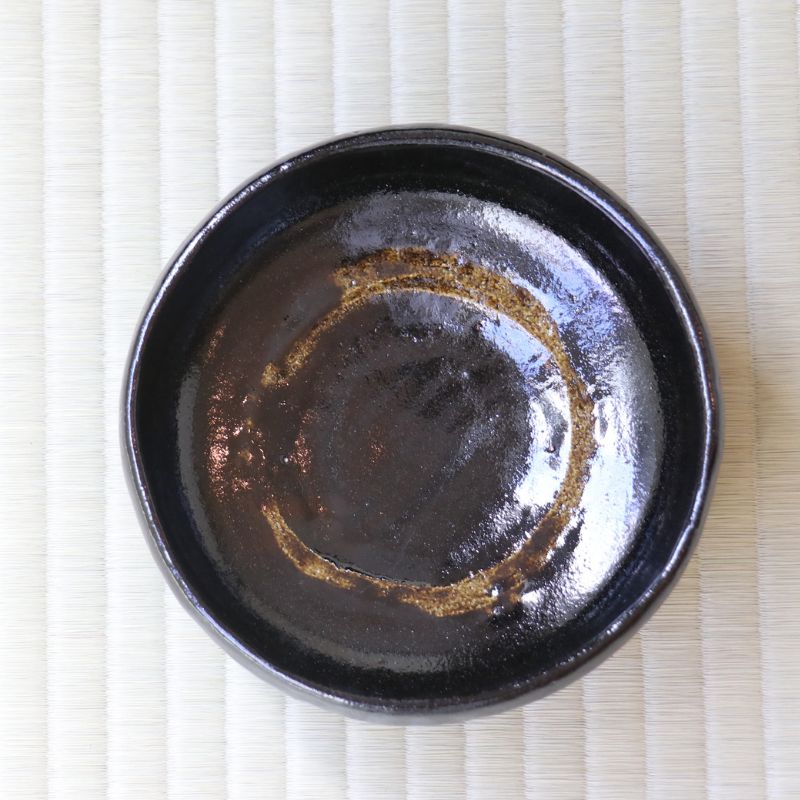
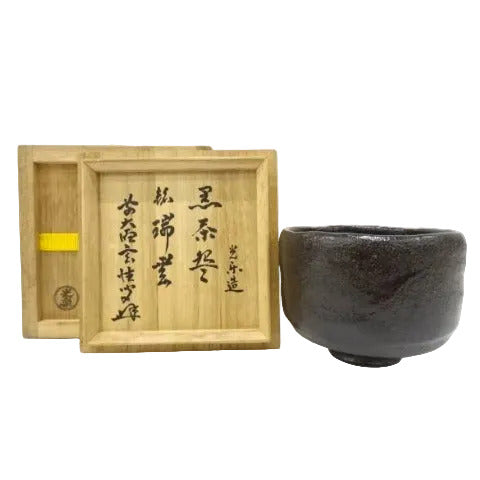
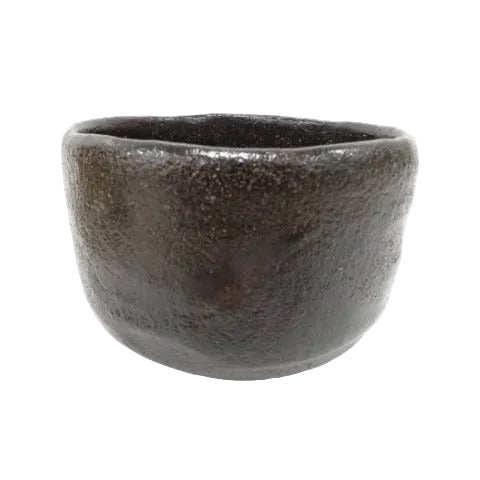
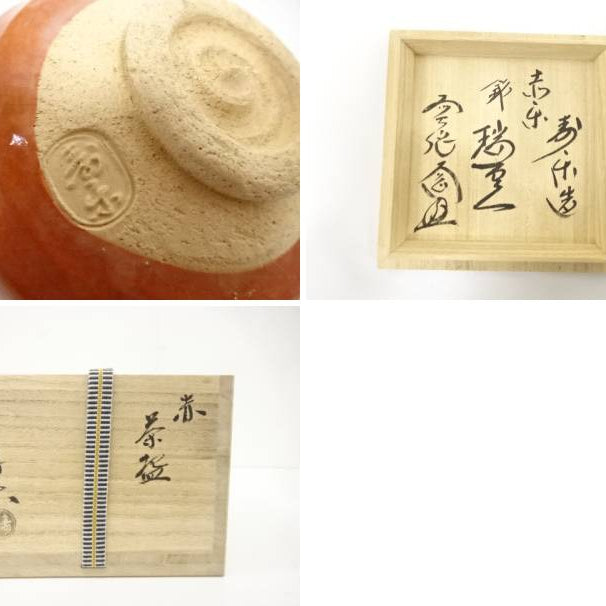
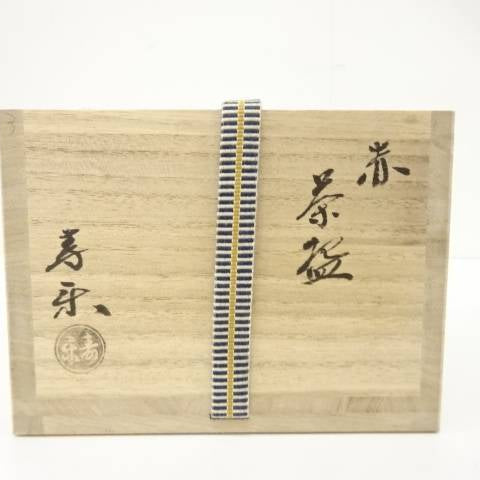
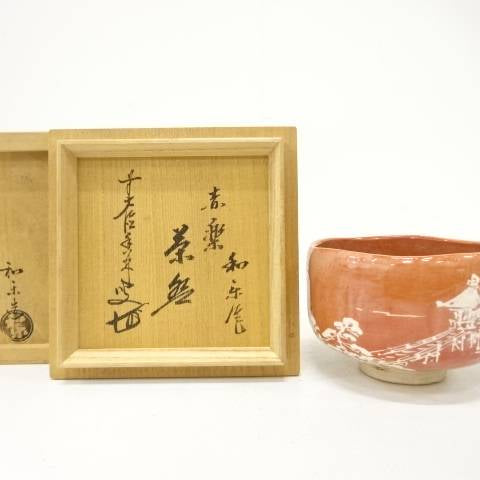
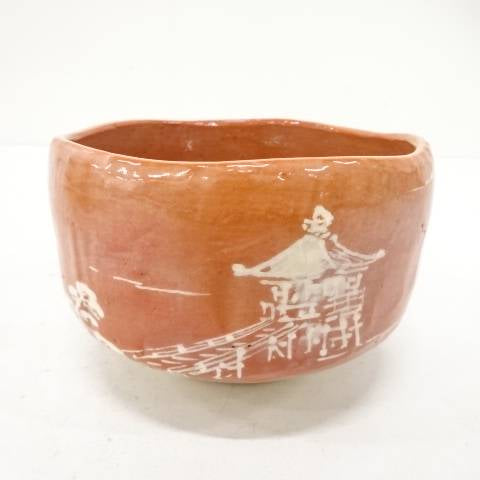
Raku matcha bowls (Raku chawan) are matcha bowls created specifically for chanoyu, the Japanese tea ceremony.
They have a history of over 450 years, originating in late 16th-century Kyoto.
Raku ware began when Chōjirō, the first Raku potter, made tea bowls under the guidance of the great tea master Sen no Rikyu. Their shared philosophy was to create bowls not for decoration, but for direct, mindful use—to be held in the hands while preparing and drinking matcha.
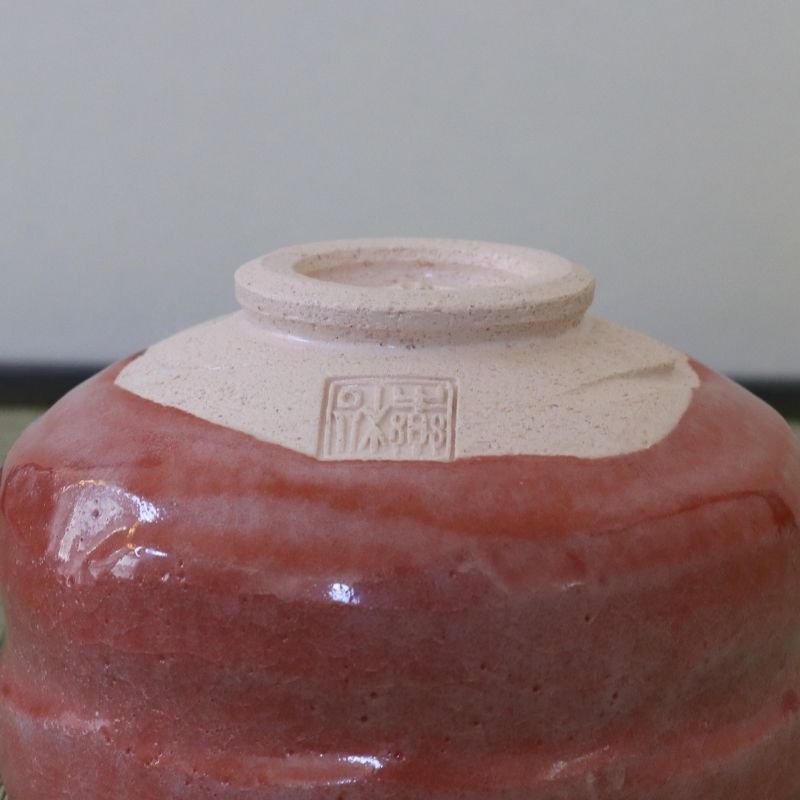
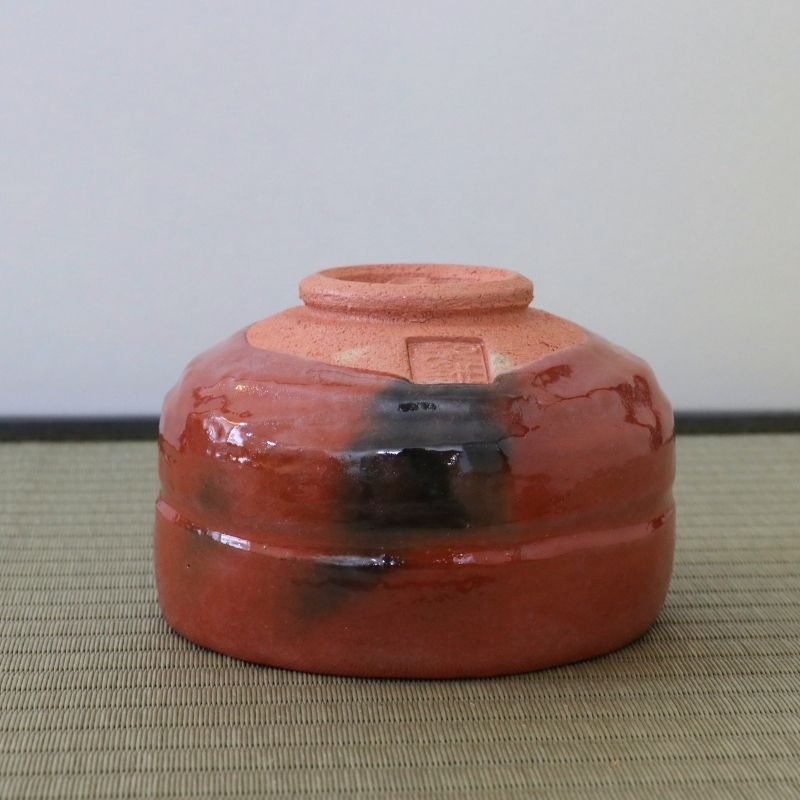
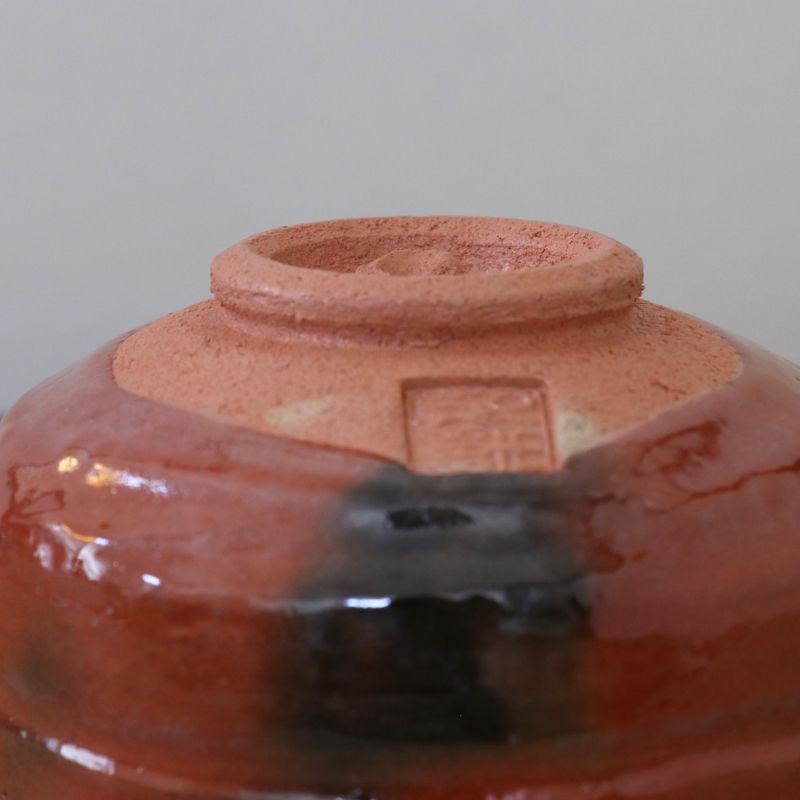
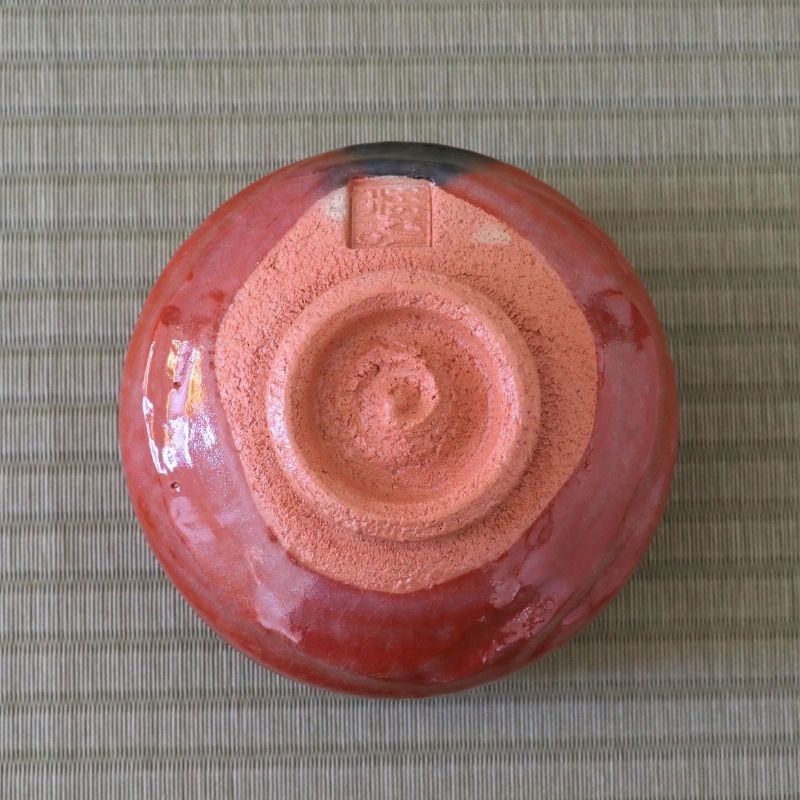
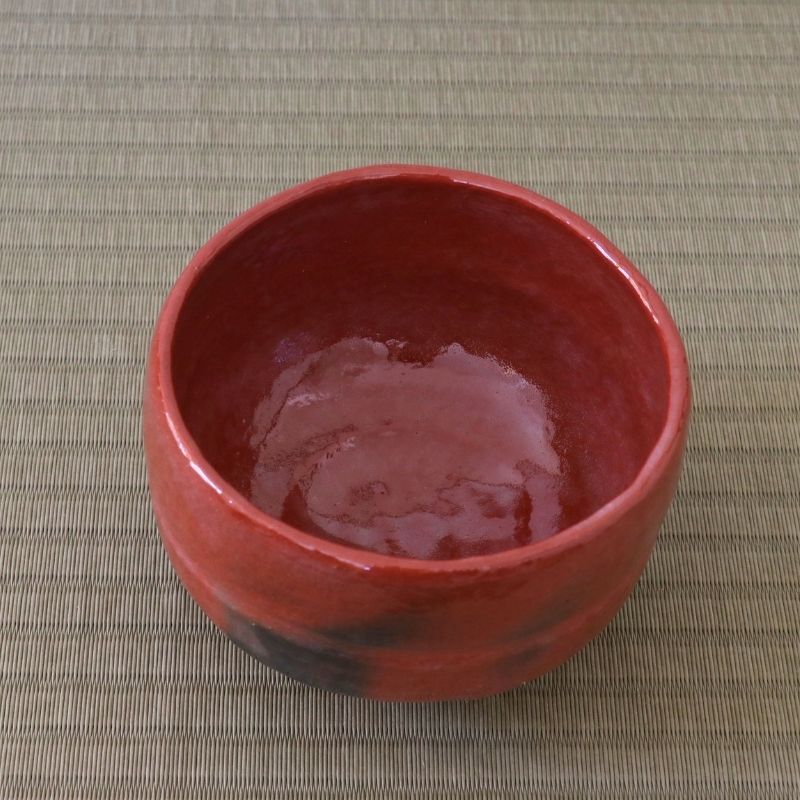
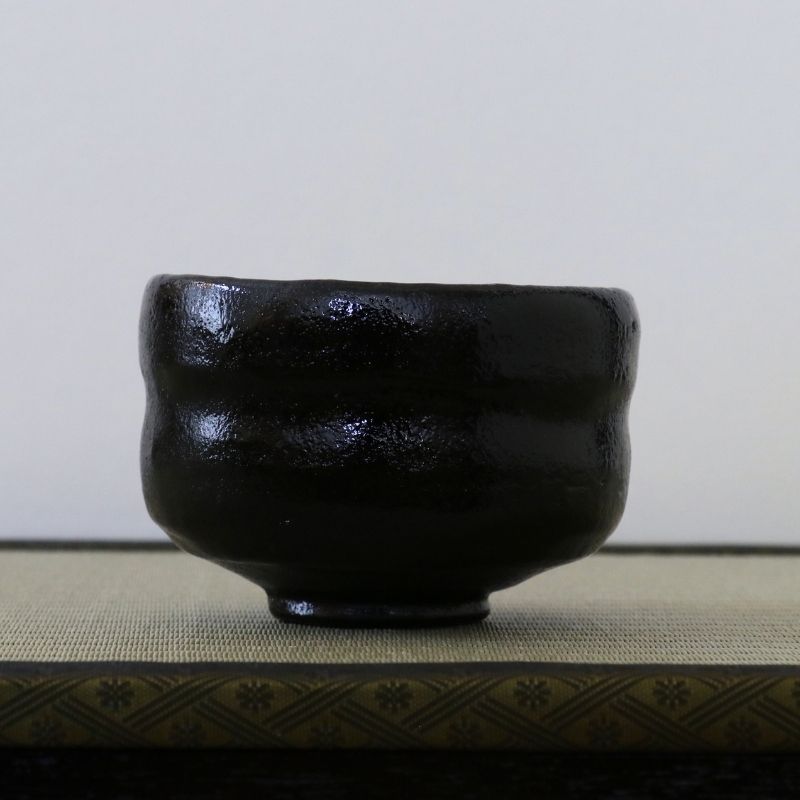
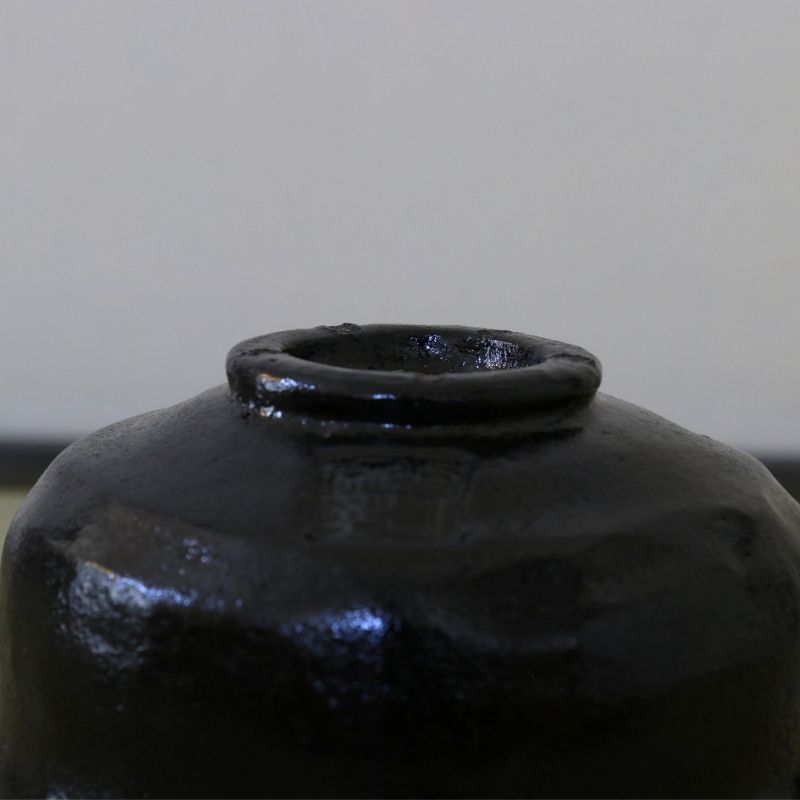
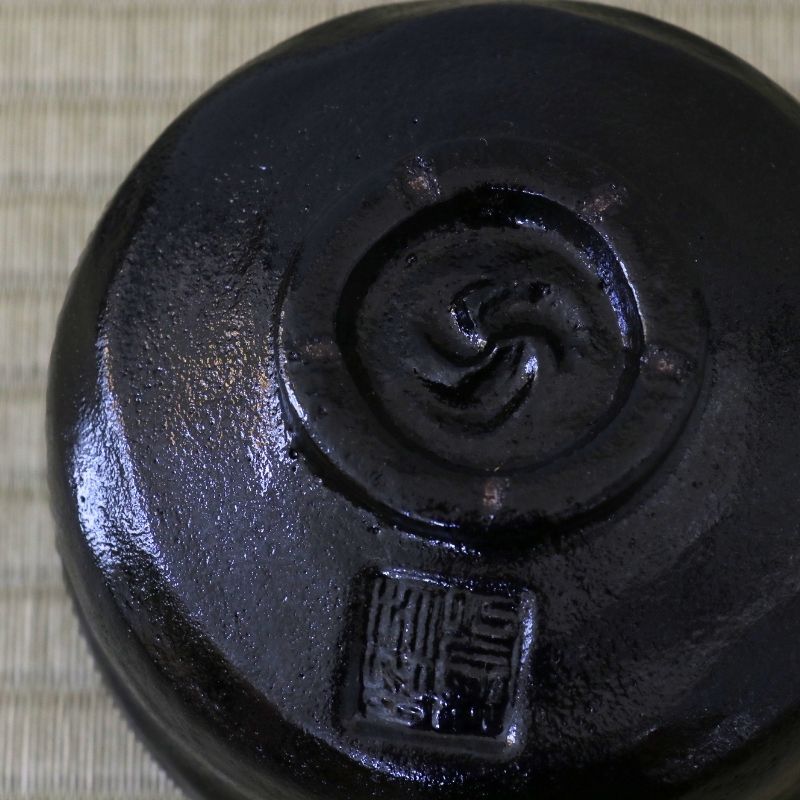
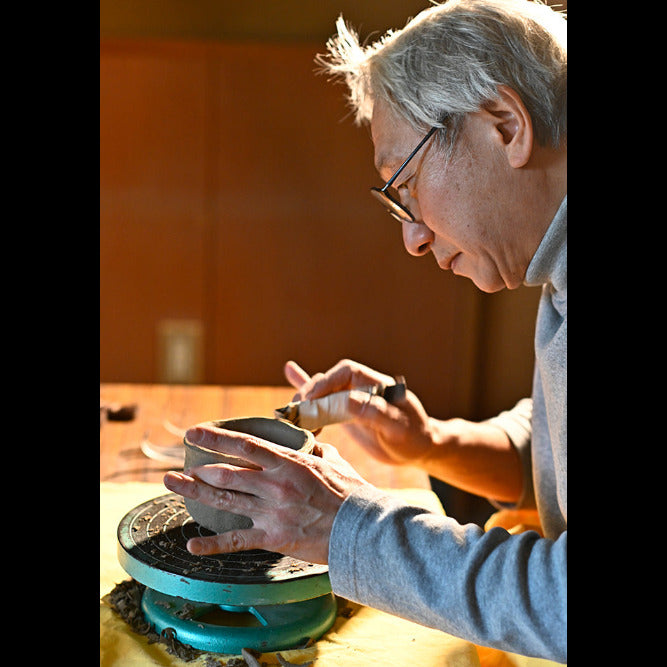
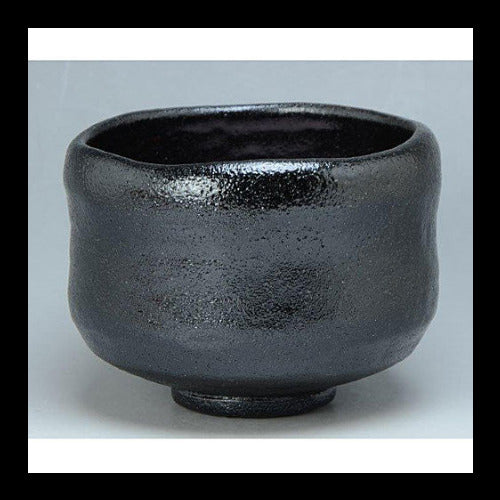
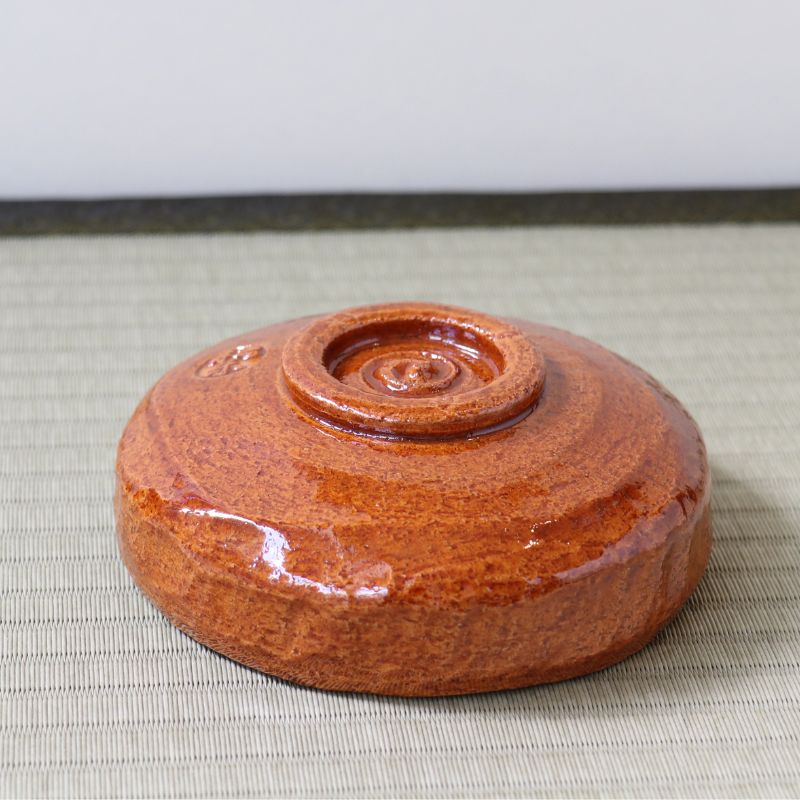
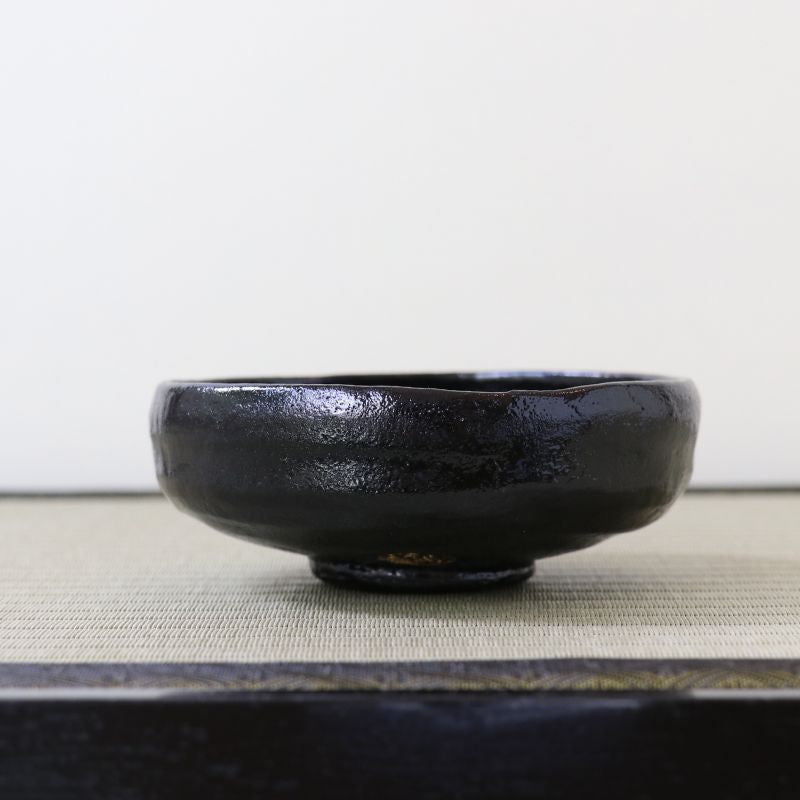
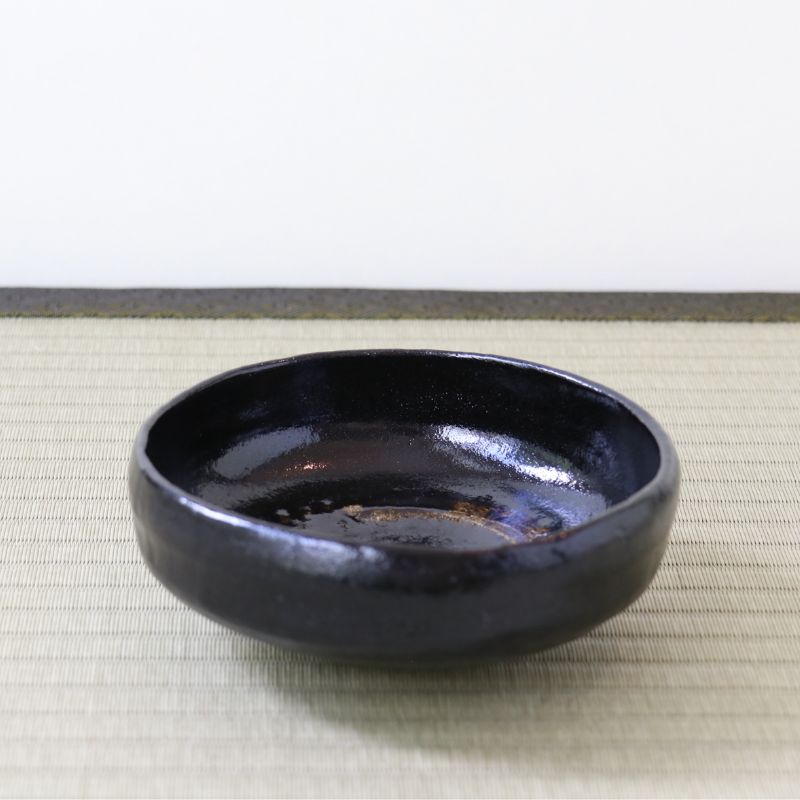
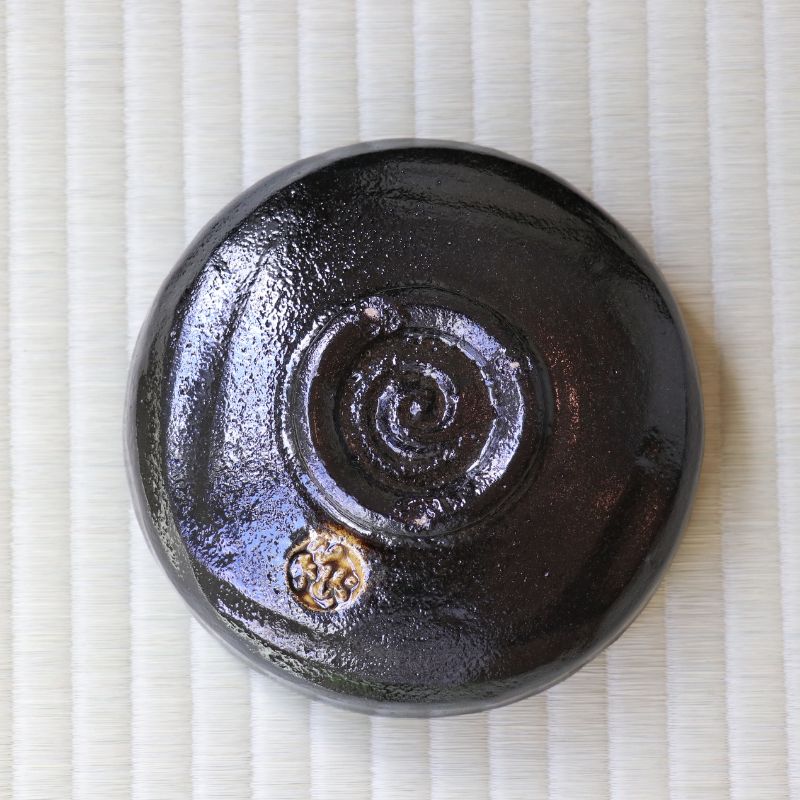
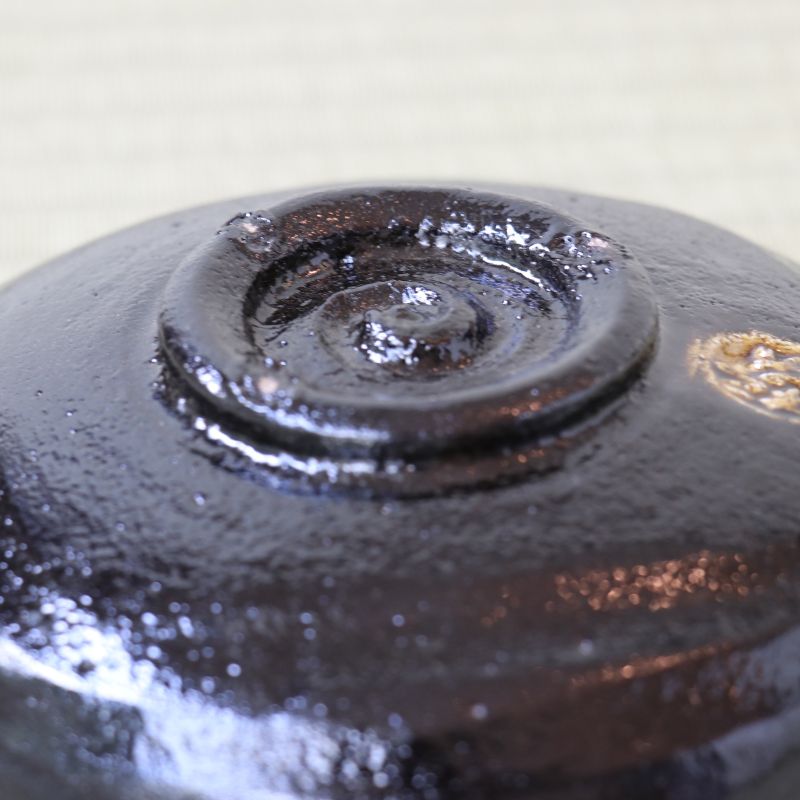
Hand-shaped rather than wheel-thrown, Raku bowls are fired at low temperatures, resulting in soft forms, subtle irregularities, and unique character. Each bowl embodies the spirit of wabi-sabi, valuing simplicity, imperfection, and quiet presence.
A Raku tea bowl invites the practitioner to slow down and experience tea as a moment of reflection.
楽茶碗は、茶の湯のために作られた抹茶碗で、16世紀後半の京都に始まる450年以上の歴史を持ちます。
楽焼は、初代陶工 長次郎が、茶の湯の大成者 千利休の思想のもとで茶碗を作ったことから始まりました。
鑑賞用ではなく、実際に手に取り、抹茶を点て、味わうための器として生まれたのが楽茶碗です。
ろくろを使わず手捏ねで成形され、低温で焼かれるため、柔らかな形や一つひとつ異なる表情が生まれます。そこには、わび・さび—簡素さや不完全さの中に美を見出す精神—が息づいており、楽茶碗は茶の時間を静かな内省のひとときへと導いてくれます。